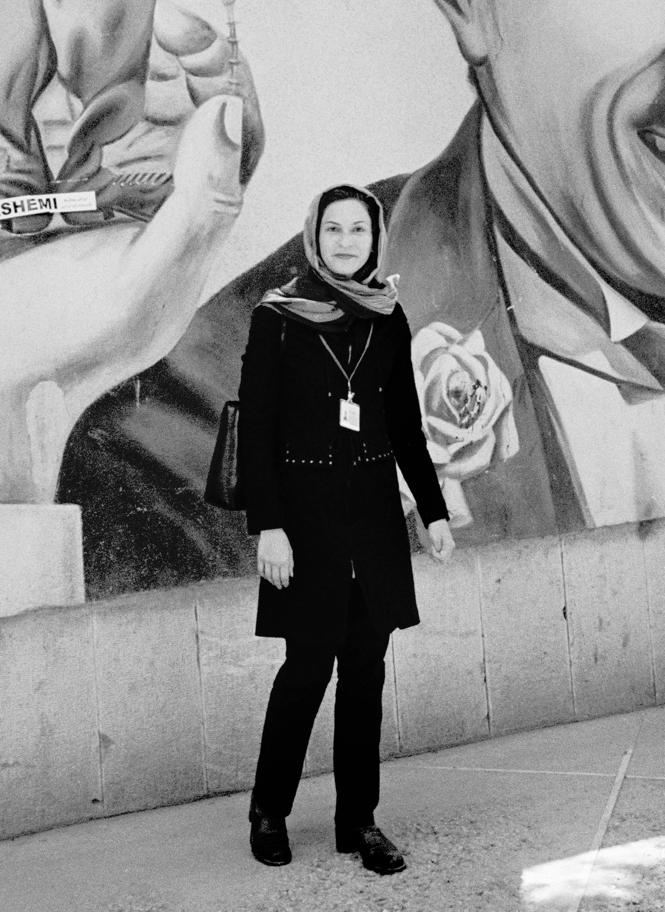
The Heartbreak of Deferred Dreams: Iran's Women, Democracy, and the Shadow of War
Examining The Atlantic's exploration of Iran's democratic aspirations through women's rights, this analysis reveals missed connections between protest cycles, economic sanctions, and how potential war with Israel and the US strengthens the regime's grip.
The Atlantic's 'Someday in Tehran' captures the intimate grief of a generation that has watched democratic openings repeatedly close in Iran. Yet the magazine's long-form narrative, while rich in personal testimony, underplays how the regime's survival strategy deliberately merges women's bodily autonomy with national security narratives. What daily news cycles miss is the structural pattern: every major protest wave since 2009 has been framed by Tehran as foreign-orchestrated precisely to justify tighter control over women as symbols of cultural sovereignty.
Connecting the 2022 Woman, Life, Freedom uprising after Mahsa Amini's death to both the 2009 Green Movement and the 2019 fuel protests reveals a consistent thread that the Atlantic piece gestures toward but doesn't fully historicize. Each time, women's visible defiance (uncovered hair, public dancing, graffiti) becomes the regime's most potent propaganda target because it undermines the foundational gender ideology of the 1979 revolution. The coverage also insufficiently explores how economic desperation from sanctions, documented in detail by the International Crisis Group, has paradoxically both fueled discontent and made average Iranians fear the chaos that regime collapse might bring.
Synthesizing the Atlantic report with a 2023 Foreign Affairs analysis of Iran's 'Axis of Resistance' and the Council on Foreign Relations backgrounder on the protests shows a dangerous convergence: as Israel and the United States edge closer to military confrontation over Iran's nuclear program, the regime gains a rallying cry that sidelines democratic reformers. The original coverage correctly identifies the emotional toll of hope, but it underestimates how external threats have repeatedly postponed internal reckoning. The pattern is clear across decades: existential threat from outside strengthens the hardliners inside.
Observation: Iranian women have successfully shifted global perception of the regime more than any opposition party. Opinion: This cultural transformation may ultimately prove more enduring than any revolution imposed through airstrikes or sanctions. The heartbreak documented in Tehran is not merely personal; it is the recurring cost of a democracy deferred by both domestic tyranny and geopolitical misfortune.
PRAXIS: External conflict with Israel or the US will likely postpone genuine democratic change in Iran by allowing the regime to wrap itself in the flag; the most credible path to reform remains the slow cultural erosion driven by women's refusal to accept the old rules.
Sources (3)
- [1]Someday in Tehran(https://www.theatlantic.com/magazine/2026/05/iran-us-israel-war-democracy-women/686583/)
- [2]The Woman, Life, Freedom Movement(https://www.cfr.org/backgrounder/women-life-freedom-iran-protests)
- [3]Iran's Shadow War with Israel(https://www.foreignaffairs.com/iran/iran-israel-shadow-war)