US-Iran Naval Clash in Strait of Hormuz Signals Deeper Geopolitical Stakes and Naval Security Risks
US forces disabling Iranian-flagged tankers in the Strait of Hormuz on May 8, 2026, marks a significant escalation in regional tensions, reflecting deeper geopolitical struggles over sanctions, naval security, and global energy flows. Beyond the immediate clash, this incident signals risks of miscalculation, economic disruption, and a fraying ceasefire, underscoring patterns of US-Iran maritime conflict and the fragility of current diplomatic efforts.
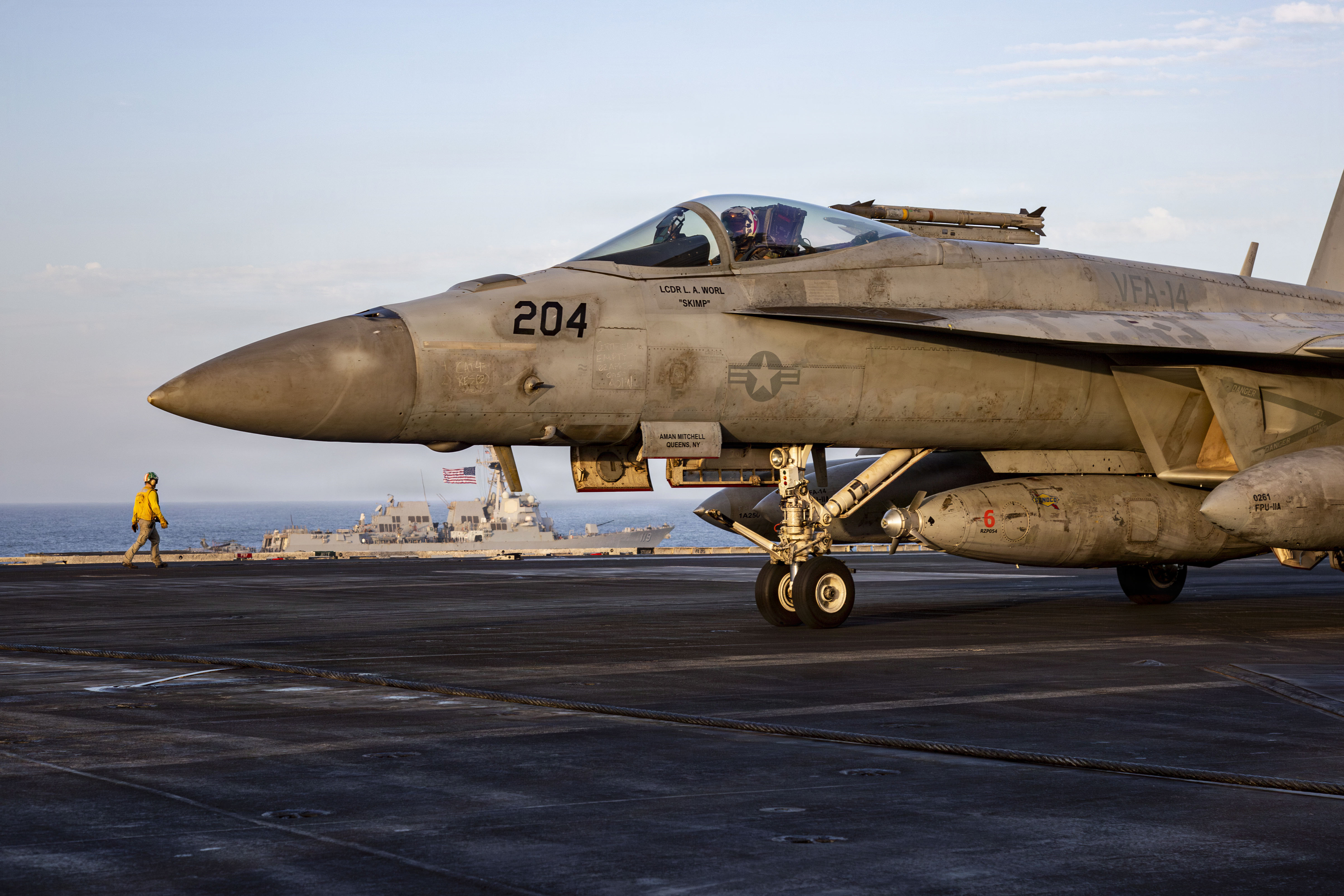
The recent incident involving US forces disabling two Iranian-flagged oil tankers, M/T Sea Star III and M/T Sevda, in the Strait of Hormuz on May 8, 2026, is more than a standalone act of blockade enforcement. It represents a critical escalation in an already volatile region, highlighting the intersection of naval security, sanctions enforcement, and broader geopolitical power struggles. According to US Central Command, precision munitions from an F/A-18 Super Hornet off the USS George H.W. Bush targeted the tankers’ smokestacks, rendering them inoperable before they could reach an Iranian port. This follows a series of confrontations in the Strait, including the destruction of Iranian small boats and drones earlier in the week, as reported by Defense News. However, mainstream coverage has largely overlooked the strategic implications of these actions and their place within a pattern of US-Iran maritime tensions dating back decades.
First, the Strait of Hormuz remains a choke point of global significance, with roughly 20% of the world’s oil supply transiting through its narrow waters. The US Navy’s blockade, initiated on April 12, 2026, and the subsequent disabling of vessels, are not merely tactical moves but part of a broader effort to choke Iran’s economic lifelines amid sanctions over its nuclear program and regional proxy activities. This echoes historical precedents like the 1980s Tanker War, where US forces escorted Kuwaiti oil tankers during the Iran-Iraq War to counter Iranian naval threats. Yet, unlike the 1980s, today’s blockade operates in a more complex geopolitical environment, with China and Russia increasingly vocal about US unilateral actions in the region, as noted in recent analyses by the Council on Foreign Relations (CFR).
Second, the original coverage misses the naval security implications of sustained US-Iran engagements in the Strait. The use of precision munitions on civilian-flagged vessels, even if unladen, raises questions about rules of engagement and the potential for miscalculation. The US has turned away 50 vessels since the blockade began, but the escalation to kinetic action against tankers signals a shift from deterrence to direct confrontation. This risks not only Iranian retaliation—potentially through asymmetric warfare via proxies like the Houthis in Yemen—but also alienates neutral shipping nations reliant on the Strait, potentially fracturing international maritime coalitions like the International Maritime Security Construct (IMSC). A 2025 report by the International Crisis Group warned of such ripple effects, noting that repeated naval incidents could destabilize global shipping insurance markets and spike oil prices.
Third, President Trump’s dismissal of these strikes as a 'love tap' and claims of an intact ceasefire, as reported by ABC News, belie the reality on the ground. The ceasefire, ostensibly in place for four weeks, appears to be a diplomatic fiction when viewed against the backdrop of US strikes on Iranian military facilities and the interception of vessels like M/T Hasna just days prior. This disconnect suggests either a deliberate downplaying of tensions for domestic political gain or a dangerous misreading of Iranian resolve. Iran’s history of retaliatory strikes, such as the 2020 attack on US bases following the killing of Qasem Soleimani, indicates that Tehran is unlikely to absorb these provocations without response, ceasefire or not.
Finally, the pause of Project Freedom, a US operation to escort commercial ships through the Strait, underscores a critical vulnerability: the US Navy’s inability to sustain long-term protective missions in contested waters without broader international support. This mirrors challenges faced during Operation Earnest Will in the 1980s, where logistical strain and allied hesitance limited effectiveness. Without a robust coalition or de-escalation mechanism, the blockade and associated military actions risk entrenching a cycle of tit-for-tat strikes, with implications far beyond the Strait—potentially drawing in regional actors like Saudi Arabia or even prompting Iran to accelerate its nuclear ambitions as a bargaining chip.
In synthesis, the disabling of Iranian tankers is not an isolated incident but a flashpoint in a longer arc of US-Iran rivalry, amplified by economic warfare, naval brinkmanship, and fragile diplomacy. The stakes extend beyond immediate military outcomes to global energy security, maritime norms, and the balance of power in the Middle East. Mainstream reporting has failed to connect these dots, focusing on tactical details rather than strategic consequences. As tensions simmer, the risk of a broader conflict—whether by design or misstep—looms larger than acknowledged.
SENTINEL: Without a clear de-escalation pathway or broader international backing, expect Iran to respond asymmetrically, likely through proxy attacks or mining efforts in the Strait, within the next 30-60 days, further destabilizing maritime traffic.
Sources (3)
- [1]US Forces Disable Iranian-Flagged Tankers Trying to Cross Blockade(https://www.defensenews.com/news/your-navy/2026/05/08/us-forces-disable-iranian-flagged-tankers-trying-to-cross-blockade/)
- [2]Iran’s Naval Strategy and the Risk of Escalation in the Gulf(https://www.cfr.org/report/irans-naval-strategy-and-risk-escalation-gulf)
- [3]Naval Tensions in the Strait of Hormuz: Implications for Global Shipping(https://www.crisisgroup.org/middle-east-north-africa/gulf-and-arabian-peninsula/iran/naval-tensions-strait-hormuz)