AI Disruption and DEI Rollback Converge: Black Women Disproportionately Impacted by 2025 Federal Cuts and Tech Shifts
Post-2024 federal cuts, DEI elimination, and AI threats to administrative roles have driven Black women's unemployment to 7.1%+, with over 100k-300k job losses concentrated in public sector and DEI-related positions they were overrepresented in, per EPI, IWPR, Brookings, and Forbes.
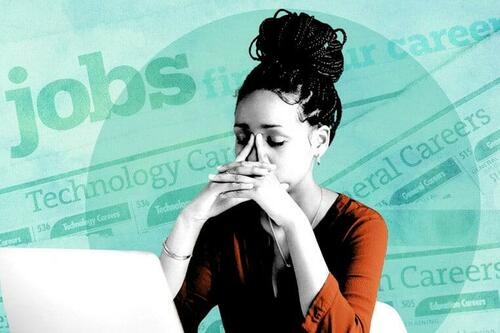
In 2025, a combination of aggressive federal workforce reductions under the Trump administration, the systematic dismantling of DEI initiatives, and accelerating AI adoption created a 'perfect storm' for Black women in the labor market. Data from the Economic Policy Institute shows Black women's employment rate fell by 1.4 percentage points to 55.7%, with net job losses driven almost entirely by public sector and federal government cuts. Black women, who comprised about 12% of the federal workforce (nearly double their share of the overall labor force), experienced over 30% declines in federal employment in some analyses, accounting for a disproportionate share of layoffs. The Institute for Women's Policy Research reported over 100,000 Black women pushed out of the labor market in 2025 alone, with some broader estimates citing figures exceeding 300,000 amid restructuring in media, professional services, and government agencies. Unemployment for Black women rose to approximately 7.1-7.3%, compared to the national average of 4.4%.
This reversal connects directly to post-2024 policy shifts. The DOGE-led efficiency drives targeted agencies where Black women were overrepresented, alongside the rollback of diversity programs that had expanded opportunities in HR, communications, education, and administrative roles. Forbes analysis highlights how Black women, who benefited from both federal hiring preferences and corporate DEI offices, now face heightened scrutiny and job losses in these areas, compounding economic impacts on Black households where women are often primary earners.
Compounding the policy changes is technological disruption. A Brookings Institution study found that among 6.1 million workers facing high AI exposure and low adaptive capacity—primarily in clerical, administrative, secretarial, and payroll positions—86% are women. These are precisely the office-based, mid-level roles that expanded significantly during the low-interest-rate, DEI-influenced hiring boom of the 2010s and early 2020s. CNBC reporting on affected federal workers notes Black women rebuilding careers amid these dual pressures, with AI automating tasks once performed in government and corporate support functions.
The pattern reveals deeper connections: equity-focused policies created temporary overrepresentation in vulnerable sectors without necessarily building broad technical adaptability. As merit-based hiring returns and AI reshapes white-collar work, previously fast-tracked demographics face compounded challenges. EPI researchers question whether losses among college-educated Black women in public sectors signal targeted backlash or simply the correction of subsidy-driven hiring. Mainstream coverage in outlets like Essence and Public News Service frames this as a crisis requiring new support networks, while acknowledging the end of artificial advantages tied to subsidies and mandates.
Longer-term, this convergence of technological change, fiscal restraint, and cultural pushback against 'equity' outcomes may accelerate labor market sorting by skill rather than identity. However, the immediate human cost—documented across BLS-derived data, think tank reports, and economic analyses—underscores how rapidly artificial structures can unravel when underlying incentives disappear.
Liminal: The synchronized end of DEI incentives and AI automation of female-dominated administrative jobs is dismantling identity-based hiring structures built on subsidies, exposing qualification gaps and accelerating a merit-driven labor reset with outsized short-term effects on overrepresented groups like Black women in government and office roles.
Sources (5)
- [1]Black women suffered large employment losses in 2025—particularly among college graduates and public-sector workers(https://www.epi.org/blog/black-women-suffered-large-employment-losses-in-2025-particularly-among-college-graduates-and-public-sector-workers/)
- [2]IWPR New Report: Black Women Disproportionately Sidelined in Year One of Trump’s Second Term(https://iwpr.org/iwpr-new-report-black-women-disproportionately-sidelined-in-year-one-of-trumps-second-term/)
- [3]Measuring US workers' capacity to adapt to AI-driven job displacement(https://www.brookings.edu/articles/measuring-us-workers-capacity-to-adapt-to-ai-driven-job-displacement/)
- [4]The Hidden Economic Costs Of Black Women Job Losses(https://www.forbes.com/sites/adiaharveywingfield/2026/02/27/economic-impact-of-black-women-job-losses/)
- [5]Black women impacted by DOGE cuts are rebuilding their careers(https://www.cnbc.com/2026/03/11/black-women-impacted-by-doge-cuts-are-rebuilding-their-careers.html)