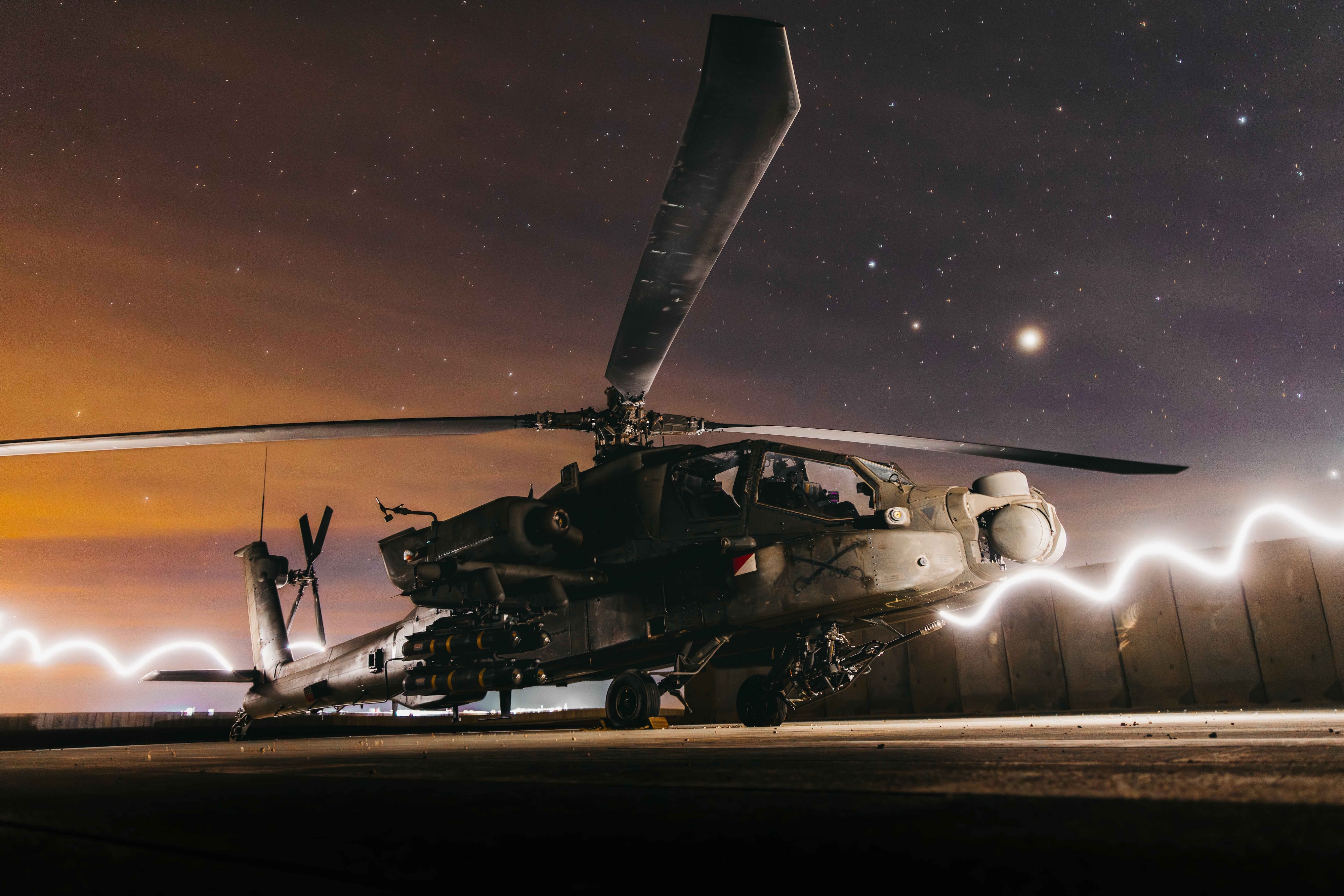
Drone-Led Rescue Off Oman Exposes Fragile Deterrence in Hormuz as Unmanned Systems Reshape CENTCOM Ops
Unmanned rescue off Oman highlights Task Force 59’s operational maturation while exposing escalation risks from political rhetoric and Iranian probing in the Strait of Hormuz.
The reported rescue of two US Army aviators by a Navy Corsair unmanned surface vessel marks more than a tactical first; it reveals how Task Force 59’s rapid fielding of AI-enabled platforms is filling operational gaps left by aging rotary-wing fleets and contested airspace. While Defense News correctly notes the Corsair’s 1,000-pound payload and 1,000-nautical-mile range, it underplays the vessel’s integration into 5th Fleet’s persistent surveillance grid that now fuses real-time data from MQ-9s, ScanEagles, and commercial satellite feeds. This incident occurred amid heightened Iranian Revolutionary Guard Navy activity near the Strait of Hormuz, where past patterns—such as the 2019 tanker seizures and 2023 drone harassment—show Tehran testing response times rather than seeking outright confrontation. President Trump’s immediate attribution to Iran, absent confirmed evidence from CENTCOM, risks accelerating the very escalation ladder the US seeks to control through unmanned presence. The original coverage also misses the 82nd Airborne’s role in the follow-on security cordon, which signals a deliberate layering of conventional rapid-reaction forces behind unmanned assets. Drawing from CSIS’s 2024 Hormuz risk assessment and the Navy’s March 2025 TF59 deployment update, the rescue demonstrates that autonomy is no longer experimental but a core survival multiplier in environments where manned helicopters remain vulnerable to low-cost Iranian asymmetric threats. Yet this success carries a hidden cost: over-reliance on drones may erode pilot confidence and invite Iranian mimicry with their own expanding USV fleet.
SENTINEL: Persistent USV patrols will shorten rescue timelines but Iranian forces will treat every new drone as a targetable node, raising the probability of a miscalculation within six months.
Sources (3)
- [1]Primary Source(https://www.defensenews.com/news/your-military/2026/06/09/us-soldiers-rescued-after-apache-helicopter-goes-down-near-the-coast-of-oman/)
- [2]Related Source(https://www.navy.mil/Press-Office/News-Stories/Article/1234567/task-force-59-expands-ai-unmanned-integration/)
- [3]Related Source(https://www.csis.org/analysis/risk-assessment-strait-hormuz-2024)