Oil Majors Withdraw from Riyadh Energy Congress Amid Houthi Attacks on Saudi Capital
Credible reporting from Reuters, FT, and others confirms major energy executives skipped the Riyadh WPC Congress due to Houthi strikes on the airport, illustrating energy security risks from regional conflicts.
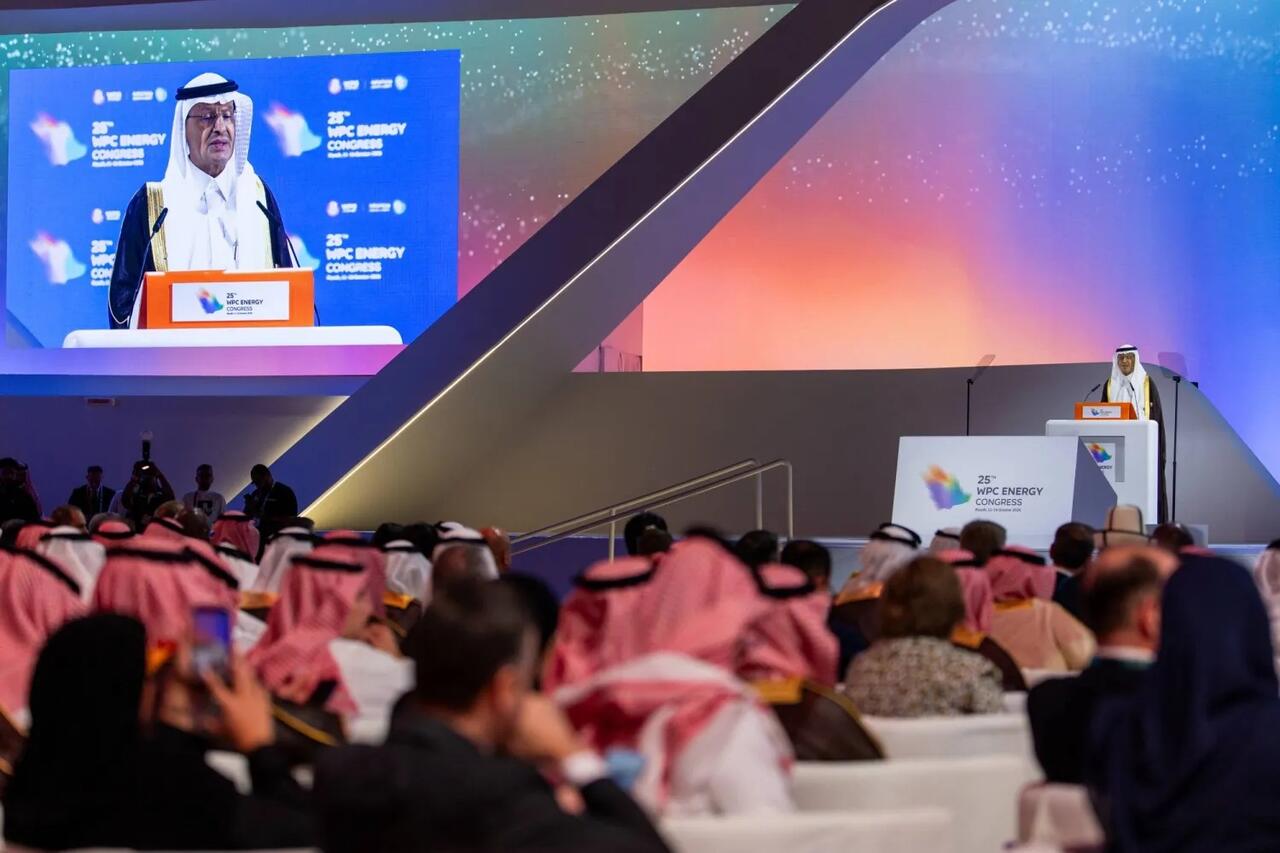
The 25th WPC Energy Congress opened in Riyadh on October 11, 2026, but faced immediate disruption as several major oil executives withdrew due to Houthi missile strikes on King Khalid International Airport. Reuters and the Financial Times reported that the CEOs of ExxonMobil, TotalEnergies, Shell, Chevron, and BP—initially scheduled to attend—were removed from the updated agenda released on October 12. BP cited "travel disruption" in a statement, emphasizing ongoing partnerships in the region, while Shell declined comment and others did not respond immediately. The venue lies just 10 km from the airport, which suffered multiple attacks in early October, including a deadly Saturday strike that killed at least 12-13 people (including foreign nationals) and wounded over 300—the deadliest such incident in Saudi Arabia in over a decade. Saudi Energy Minister Prince Abdulaziz bin Salman opened the event, acknowledging risks while asserting the kingdom's security and commitment to Vision 2030. These developments underscore how Yemen's escalating conflict—intensified by the broader US-Israel-Iran war that began in February 2026—directly threatens Saudi energy infrastructure and international business gatherings. Aramco's CEO highlighted risks to global crude supplies, including potential issues with the Strait of Hormuz. The attacks expose vulnerabilities in Saudi defenses and could accelerate efforts to diversify export routes via pipelines, while pressuring oil prices upward amid supply concerns.
Energy Analyst: Heightened Saudi vulnerability to asymmetric attacks will likely accelerate diversification of oil export infrastructure and elevate insurance/risk premiums for Gulf energy projects, potentially tightening global supply amid ongoing regional instability.
Sources (5)
- [1]Top oil executives dropped from event schedule after Riyadh attacks(https://www.reuters.com/world/middle-east/top-oil-executives-dropped-event-schedule-after-riydah-attacks-2026-10-12/)
- [2]Oil chiefs pull out of Riyadh energy congress after airport missile strike(https://www.ft.com/content/a01776ea-4a12-4195-8820-e43a885ba5fe)
- [3]Top oil executives dropped from WPC Energy Congress amid Houthi attacks(https://www.business-standard.com/world-news/top-oil-executives-dropped-from-wpc-energy-congress-amid-houthi-attacks-126101201385_1.html)
- [4]Saudi Arabia intercepts three missiles as capital’s international airport remains closed after deadly Houthi attacks(https://www.cnn.com/2026/10/10/middleeast/riyadh-airport-saudi-houthis-intl)
- [5]Houthi strike on Saudi airport kills 12, worst attack on kingdom in a decade(https://www.reuters.com/world/middle-east/loud-blast-heard-riyadh-airport-airlines-cancel-more-flights-2026-10-10/)