US Launches Fresh Strikes on Iran Amid Hormuz Escalation; Tankers Hit, Oil Surges Past $92
Credible reports from Reuters, Bloomberg, NYT, NBC, and AP confirm US strikes on Iran and tanker incidents in Hormuz on Sept 1, 2026, driving oil prices higher; Bessent predicts bypass of strait in 2 years.
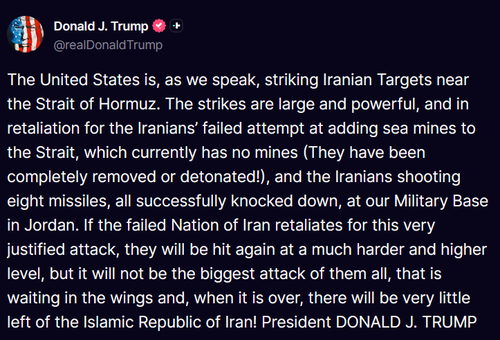
On September 1, 2026, the United States initiated a new wave of airstrikes targeting Islamic Revolutionary Guard Corps (IRGC) sites in southern Iran, including areas near Chabahar, Konarak, Qeshm Island, and Bandar Abbas. U.S. Central Command confirmed the operation began at 12 p.m. ET, describing it as a response to recent IRGC attempts to attack commercial shipping in the Strait of Hormuz and U.S. forces in the region.[1][2] President Donald Trump characterized the strikes as "large and powerful" retaliation for Iranian efforts to mine the strait, warning via Truth Social that further retaliation by Tehran would trigger even stronger U.S. action.[2]
Reports from maritime intelligence firm Marisks indicated that two supertankers—the Saudi-owned Sidr and the Liberian-flagged Senegal Prosperity operated by Sinokor—were struck by unknown projectiles while exiting the Strait of Hormuz late on August 31. The UK Maritime Trade Operations center corroborated an incident involving projectiles hitting a tanker outbound from the strait.[3][4] No casualties or spills were reported. Iranian state media reported explosions and damage to civilian and IRGC-linked sites, while offering conditional willingness to return to talks if prior U.S. commitments were honored.[1]
Brent crude prices climbed above $92 per barrel amid the renewed tensions, with diesel crack spreads exceeding $100 as refinery disruptions loomed. Treasury Secretary Scott Bessent stated at the G20 that alternative pipelines would render the Strait of Hormuz strategically irrelevant within two years.[5] This escalation follows intermittent U.S.-Iran exchanges over the past six months, centered on control of the vital oil chokepoint through which roughly 20% of global oil transits.
Geopolitically, the strikes highlight persistent U.S. efforts to neutralize Iranian maritime threats while exposing vulnerabilities in global energy supply chains. Regional actors like Oman and the UAE have been drawn into the fray through reported intercepts and incidents, underscoring how Hormuz dynamics could reshape alliances and force accelerated diversification of oil routes.
Bessent: Pipeline alternatives will neutralize Hormuz leverage within 24 months, shifting global energy flows and pressuring Iranian strategy.
Sources (5)
- [1]US launches new barrage of strikes on Iran around Strait of Hormuz(https://www.reuters.com/world/middle-east/iran-urges-us-comply-with-interim-deal-after-trump-threatens-further-strikes-2026-09-01/)
- [2]U.S. has launched ‘large and powerful’ strikes on Iran, Trump says(https://www.nbcnews.com/world/iran/us-launched-large-powerful-strikes-iran-trump-says-rcna595581)
- [3]US-Iran Tensions High After Strikes on Two Tankers in Hormuz(https://www.bloomberg.com/news/articles/2026-09-01/two-oil-supertankers-hit-by-projectiles-in-hormuz-marisks-says)
- [4]Two More Oil Tankers Are Attacked in the Strait of Hormuz(https://www.nytimes.com/2026/09/01/business/ships-oil-hormuz-iran-war.html)
- [5]Iran war: U.S. launches new strikes amid ceasefire(https://www.ctvnews.ca/world/mideast-conflict/article/us-strikes-targets-in-iran-as-hostilities-flare-again-after-a-month-without-military-action/)