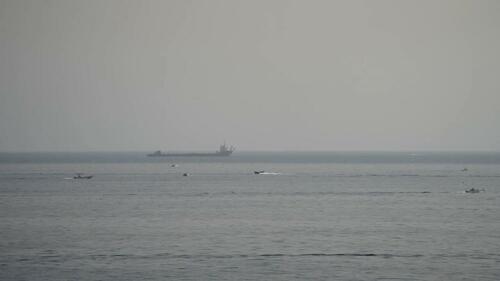
Prolonged Strait of Hormuz Disruptions Signal Enduring Geopolitical Realignment in Energy Markets
EIA and IEA reports confirm extended oil disruptions from Iran conflict through 2027, indicating deeper geopolitical changes with major economic ripple effects.
Recent assessments from the U.S. Energy Information Administration (EIA) indicate that oil supply disruptions linked to the ongoing U.S.-Iran conflict and effective constraints on Strait of Hormuz traffic are now projected to persist at around 600,000 barrels per day through the end of 2027. Oil flows through the strait averaged just 4.9 million barrels per day in Q2 2026, a sharp decline from 21.6 million bpd in late 2025, reflecting sustained impacts from military actions and Iranian restrictions. This marks a significant escalation from initial expectations of short-term interruptions.
The International Energy Agency (IEA) has echoed these concerns, noting that the closure and elevated fuel prices are weighing on global oil consumption, with forecasts for gasoline and diesel prices revised upward for 2026 and 2027. Middle East production shut-ins averaged 5.5 million bpd in July, with further increases anticipated. Independent tracking shows even lower recent volumes, highlighting uncertainties from vessels going dark.
Broader context from sources like Brookings Institution analyses and Wood Mackenzie reports frames this as the largest oil supply disruption in decades, potentially requiring until early 2027 for production and trade flows to normalize. A Wikipedia entry on the 2026 Strait of Hormuz crisis documents the timeline of Iranian closures since February 28, 2026, following U.S. and Israeli strikes, underscoring how this chokepoint—handling roughly a quarter of global seaborne oil trade—has become a focal point of prolonged tension.
These developments point to a fundamental shift: beyond immediate price spikes and inflation risks, they reflect entrenched geopolitical frictions that could reshape energy security strategies, accelerate diversification away from the region, and influence long-term global economic trajectories through sustained volatility.
[Energy Analyst]: Sustained Hormuz constraints mark a structural realignment where Middle East instability becomes a persistent drag on global supply chains and growth.
Sources (6)
- [1]U.S. expects oil supply disruptions through end of 2027 - TT(https://www.ttnews.com/articles/iran-oil-disruptions-2027)
- [2]Oil disruptions from Iran war to continue through next year, US says - The National(https://www.thenationalnews.com/business/energy/2026/08/11/oil-disruptions-from-iran-war-to-continue-through-next-year-us-says/)
- [3]World Oil Transit Chokepoints - EIA(https://www.eia.gov/international/analysis/special-topics/world_oil_transit_Chokepoints)
- [4]2026 Strait of Hormuz crisis - Wikipedia(https://en.wikipedia.org/wiki/2026_Strait_of_Hormuz_crisis)
- [5]The timing of the impending crude crisis - Brookings(https://www.brookings.edu/articles/the-timing-of-the-impending-crude-crisis/)
- [6]Strait of Hormuz closure risks greatest global energy supply shock in decades - Wood Mackenzie(https://www.woodmac.com/press-releases/strait-of-hormuz-closure-risks-greatest-global-energy-supply-shock-in-decades/)