Trump administration officials attribute Microsoft, FAA, banking and NSA outages to aging systems and upgrades
U.S. officials testified that a week of high-profile technology outages was not linked to foreign cyberattacks, attributing them to aging infrastructure, upgrades and AI-enabled pressures. The testimony matters because it reframes the incidents as systemic resilience failures affecting finance, aviation and intelligence systems. It also shows policymakers are weighing how private-sector upgrade communication can reduce public alarm.
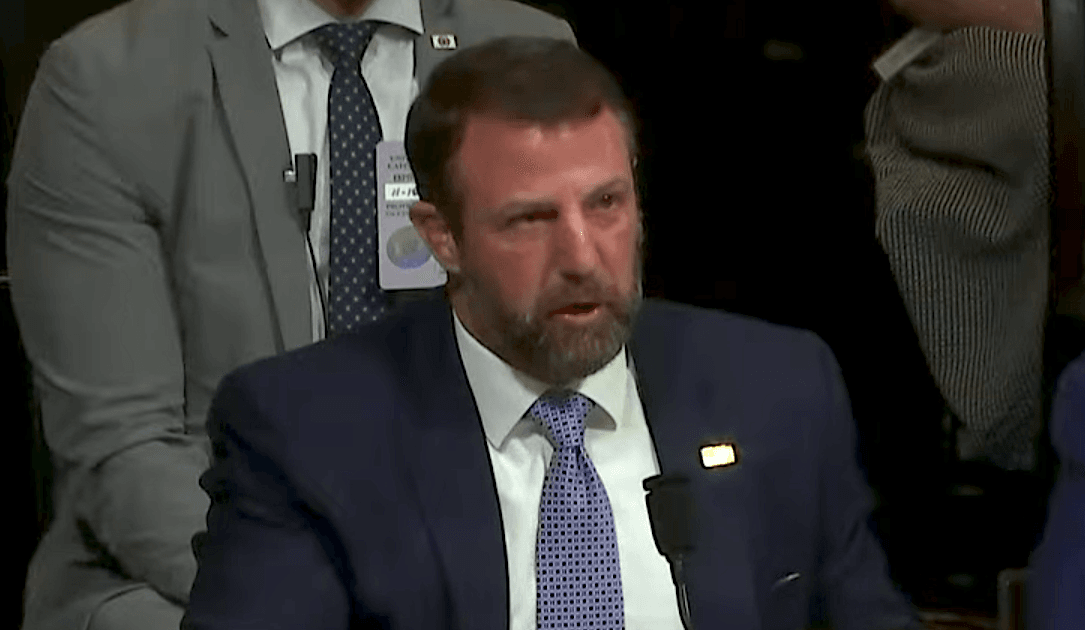
Director of National Intelligence Jay Clayton, Homeland Security Secretary Markwayne Mullin and FBI Deputy Director Christopher Raia testified before the House Homeland Security Committee that recent disruptions to everyday services were not caused by a coordinated digital attack. The officials cited Microsoft product outages, an FAA nationwide ground stop, banking glitches and an internal NSA network failure as incidents that had drawn bipartisan concern. Raia said FBI cyber teams had investigated from day one and found no indication of malicious cyber activity, while saying the bureau would keep working with DHS and ODNI to be fully certain.
The annual worldwide threats hearing centered on whether the outages reflected an attack or systemic fragility. Clayton said the intelligence community had no indication of foreign malign orchestration, while Mullin said he was 98 percent confident adversaries were not behind the systems. Both pointed to aging infrastructure, rapid patching and upgrades, and emerging AI capabilities as contributing pressures. Mullin also described a planned call with private-sector representatives about notifying customers before upgrades, saying the goal was to reduce public fear rather than impose new requirements.
The officials' explanation connects several high-profile failures into one pattern: modern digital systems are increasingly patched and upgraded at speed, while many government and private networks still combine equipment from different eras. Clayton said malicious actors are using advances in compute to scan for vulnerabilities, and that defenders must use the same capabilities to keep pace. That framing shifts scrutiny from a single adversary to operational resilience, especially where CISOs, banks, aviation authorities and intelligence agencies depend on overlapping legacy and modern infrastructure.
Banks, airlines, government agencies and ordinary users depend on systems that can fail during upgrades or aging-network maintenance. The testimony shows public confidence depends on clearer communication and resilience, not just attack alerts.
Sources (1)
- [1]The Record(https://therecord.media/tech-disruptions-house-homeland-committee-testimony)