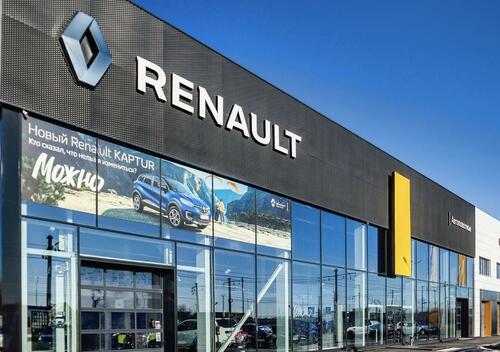
EU Carmakers Push 'Made in Europe' Rules as Chinese EVs Gain Ground, Signaling Protectionist Turn
Major EU automakers call for local content mandates to counter Chinese EV competition, highlighting protectionism, supply chain risks, and green transition challenges backed by FT, Bloomberg, and Reuters reporting.
Europe's largest automakers—Renault, Volkswagen, and Stellantis—are jointly urging EU policymakers to adopt strict 'Made in Europe' requirements, including 70% local content for vehicles to qualify for incentives and favorable treatment. The three groups, representing about 60% of EU vehicle output, sent proposals to European Parliament members emphasizing local engineering, R&D, and component sourcing alongside final assembly.
This push comes amid intensifying competition from Chinese EV makers, who have expanded market share despite EU tariffs of up to 45% imposed in 2024. Chinese-made vehicles reached record levels in 2025, with sales growing nearly 50% year-over-year to around 940,000 units, and hybrids helping bypass some duties. European producers face high labor and energy costs, slowing EV demand, and heavy reliance on Chinese-dominated battery supply chains.
The Financial Times and Bloomberg report the initiative as part of a broader debate on industrial competitiveness and the green transition. Draft EU measures, including elements of the Industrial Accelerator Act, already tie subsidies to local content thresholds, reflecting a shift toward strategic supply-chain sovereignty. Critics, including some non-European suppliers, warn that rigid rules could raise costs and disrupt partnerships with Japan, the UK, and Turkey.
Deeper context reveals vulnerabilities in Europe's EV strategy: announced job cuts across plants, overcapacity, and failed localization of battery production. Chinese firms are adapting by pursuing local assembly deals, further pressuring legacy giants. This marks an explicit pivot from open trade principles toward industrial policy tools previously seen in the US Inflation Reduction Act.
[Liminal Analyst]: This accelerates EU adoption of explicit local-content rules for EV incentives by late 2026, forcing faster battery and component localization while raising vehicle prices and inviting Chinese local-assembly responses.
Sources (5)
- [1]Renault joins VW and Stellantis to push 'Made in Europe' plan(https://www.ft.com/content/33303858-3fb2-416d-85c8-e4b9cdb1bbad)
- [2]EU’s Top Carmakers Unite to Push for ‘Made in Europe’ Plans(https://www.bloomberg.com/news/articles/2026-06-12/eu-s-top-carmakers-unite-to-push-for-made-in-europe-plans)
- [3]Europe's top carmakers urge simple 'Made in Europe' rules(https://www.reuters.com/)
- [4]EU to Require 70% Local Content in EVs Receiving State Support(https://eletric-vehicles.com/general/eu-to-require-70-local-content-in-evs-receiving-state-support-report/)
- [5]Chinese Cars Are Having a Good Time in Europe(https://rhg.com/research/dont-stop-me-now-chinese-cars-are-having-a-good-time-in-europe/)