Market Surge on US-Iran Ceasefire Reveals Middle East Conflicts' Massive Economic Leverage and Narrative Shaping Around Israel's Position
US-Iran two-week ceasefire tied to Hormuz reopening triggered massive stock and bond rally with oil plunging 15-16%, exposing the global economy's acute vulnerability to Middle East energy leverage while media narratives emphasize relief and de-escalation, potentially masking an inconclusive or unfavorable result for Israel amid its separate escalations.
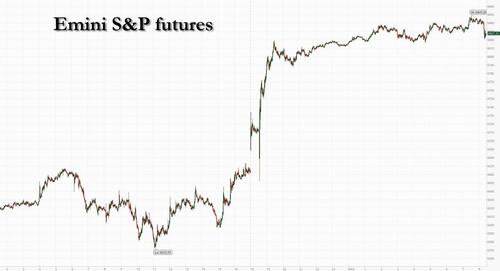
Global markets experienced a sharp relief rally after the United States and Iran announced a two-week ceasefire, contingent on Tehran facilitating safe passage through the Strait of Hormuz, a chokepoint carrying one-fifth of global oil and LNG supplies. US stock futures jumped nearly 3%, emerging markets posted their biggest gain since 2022, the Nasdaq climbed 3.5%, and bonds rallied with 10-year Treasury yields dropping sharply; meanwhile, Brent crude plunged as much as 16% to around $93 per barrel, with European natural gas futures falling up to 20%. This 'everything rally' excluding energy underscores how tightly linked global finance is to Middle East stability and the extreme economic leverage conflicts in the region wield over inflation, supply chains, and investor sentiment worldwide. While both sides claimed victory—Tehran describing it as triumph over US pressure and Washington framing it as preventing escalation—the temporary nature of the truce, Iran's caveats on implementation, and reports of continued Israeli military escalation in Lebanon suggest an inconclusive outcome that may not deliver the decisive strategic gains Israel sought against Iranian capabilities and proxies. Mainstream coverage emphasizes market relief and Trump's deadline diplomacy averting worst-case scenarios, yet this framing appears to prioritize de-escalation and economic calm over a conclusive resolution favoring Israel, hinting at carefully shaped narratives that downplay divergences between US macroeconomic priorities and ally objectives. Often-overlooked connections include record SPY trading intensity amid rapid war twists, the outsized impact on refined fuels and chemicals that had threatened inflation, and how Iran's potential crypto toll demands expose hybrid economic warfare tactics. With the deal emerging just before a Trump-set deadline and ahead of key US inflation readings, it highlights how geopolitical pauses can be timed to stabilize markets even if they leave underlying power balances unresolved, potentially setting conditions for renewed volatility once the two-week window expires.
LIMINAL: Middle East conflicts deliver outsized control over global energy prices and equities, allowing temporary pauses like this truce to stabilize markets while shaping narratives that prioritize economic relief over decisive outcomes for Israel, increasing risks of renewed hybrid tensions.
Sources (6)
- [1]US and Iran agree to two-week ceasefire brokered by Pakistan(https://www.reuters.com/world/asia-pacific/trump-agrees-two-week-ceasefire-iran-says-safe-passage-through-hormuz-possible-2026-04-08/)
- [2]A fragile U.S.-Iran ceasefire sparks market relief(https://www.cnbc.com/2026/04/08/us-iran-war-ceasefire-middle-east-strait-of-hormuz-oil-markets.html)
- [3]Oil prices plunge and shares jump on US-Iran ceasefire plan(https://www.bbc.com/news/articles/c8r40y3rv75o)
- [4]Live updates: Iran war, Trump agrees to ceasefire(https://www.cnn.com/2026/04/08/world/live-news/iran-war-trump-us-ceasefire)
- [5]Iran war live: Trump declares ceasefire, Tehran agrees safe transit in Hormuz(https://www.aljazeera.com/news/liveblog/2026/4/8/iran-war-live-trump-announces-truce-tehran-agrees-safe-transit-in-hormuz)
- [6]Stocks surge, oil dives below $100 as Iran ceasefire sparks relief rally(https://www.reuters.com/world/china/global-markets-global-markets-2026-04-07/)