Nuclear Regulators From 38 Countries Warn Ukraine Accident Risk Rises as They Call on Russia to Halt Grid Strikes
Nuclear safety regulators from 38 countries warned that attacks on Ukraine's grid are raising the risk of a nuclear accident this winter. They called for an end to strikes on nuclear facilities and the power infrastructure needed to cool reactor fuel. The warning matters because Ukraine's reactors supply most of its electricity, and grid instability has already forced reactor power reductions and reliance on backup systems.
HERCA, WENRA and NORA, whose members cover every EU country plus the US, Britain, Canada and Japan, issued a joint statement saying the risk to nuclear safety in Ukraine is rising as military strikes hit the grid. The regulators called for an end to attacks on nuclear facilities and the energy infrastructure those plants depend on. Per Strand, who heads HERCA and NORA, said recent Russian strikes have used drones with larger payloads and greater precision.
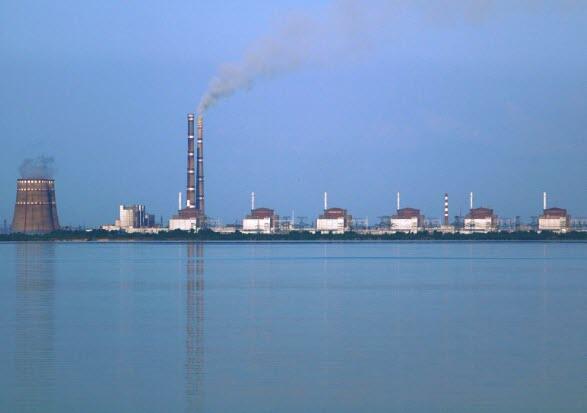
The IAEA said grid instability caused by military activity forced several operating Ukrainian reactors to reduce power during the preceding week. Ukraine's three working nuclear plants supply about 80% of power used this winter, while Zaporizhzhia, under Russian control and producing no electricity, has lost off-site power 27 times since the war began. It has relied on emergency diesel generators and, since late March, on a single off-site power line, according to the IAEA.
The regulators' statement ties reactor safety to grid stability: without external electricity, plants must depend on backup systems to cool nuclear material, the failure mode associated with Chernobyl in 1986. Strand said the worst case would be a nationwide blackout affecting all nine producing reactors at once, creating potential radioactive releases. Moscow and Kyiv each accuse the other of endangering Zaporizhzhia, and a Ukrainian drone recently struck a cooling tower at Russia's Kursk plant.
Affected parties include Ukrainian grid operators, plant crews, neighboring European states and Japan, Canada and the US, whose regulators are bound by the joint warning. The stakes are concrete: grid damage already reduces electricity supply and increases reliance on backup generators, while the regulators said loss of cooling capacity is the central safety concern. The statement said European countries would need to coordinate emergency preparedness if attacks continue, framing the issue as a shared technical risk rather than a battlefield dispute.
This affects Ukraine's electricity supply, plant crews, neighboring states and allied regulators because grid damage raises the risk of loss of reactor cooling and cross-border emergency response.
Sources (1)
- [1]Highest Risk Will Be This Winter Regulators From 38 Countries Warn Of Nuclear Accident In Ukraine(https://www.zerohedge.com/geopolitical/highest-risk-will-be-winter-regulators-38-countries-warn-nuclear-accident-ukraine)