Doha Talks Reveal Structured US-Iran De-escalation Pathways on Hormuz and Enrichment, Tempered by Iranian Caution and Lingering Nuclear Gaps
Negotiations in Doha show measurable progress on Hormuz access and asset releases but remain bounded by verification requirements and Iranian domestic processes, with direct bearing on 2026 energy flows.
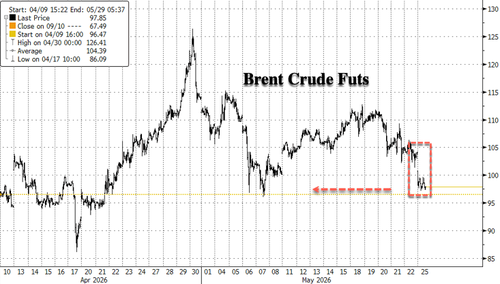
Iranian Foreign Ministry statements emphasize consensus on multiple agenda items without imminent signature, a framing that contrasts with market optimism over equity gains and Brent declines. Primary Iranian communications from May 2026 highlight the delegation's composition—Foreign Minister Araghchi, Parliament Speaker Ghalibaf, and the Central Bank Governor—as evidence that discussions now encompass both security parameters around the Strait of Hormuz and mechanisms for releasing frozen assets. US remarks from Secretary Rubio and President Trump stress that the naval posture remains unchanged until a verified agreement, underscoring a deliberate sequencing that prioritizes verification over speed. This approach echoes prior patterns in JCPOA implementation documents, where phased sanctions relief was conditioned on IAEA access protocols. European and Asian equity movements reflect trader positioning ahead of potential supply normalization, yet primary energy data from the International Energy Agency continue to flag vulnerability in Asian crude imports should talks stall. Iranian parliamentary oversight, signaled by Ghalibaf's presence, introduces an additional domestic ratification layer that mainstream reporting has not fully weighted against the June 2026 timeline referenced in prediction markets. Gaps persist on enrichment limits and stockpile disposition, consistent with statements from Iran's semi-official agencies requiring prior US commitments under any memorandum. Multiple official channels therefore portray parallel tracks—maritime de-escalation and financial relief—rather than a single comprehensive accord, reducing the likelihood of abrupt reversal while preserving leverage for both sides.
MERIDIAN: Official Iranian and US statements together indicate sequenced de-escalation on Hormuz access and asset releases that could stabilize energy flows by mid-2026, even absent a single comprehensive accord.
Sources (3)
- [1]Iranian Foreign Ministry Spokesperson Statement(https://mfa.gov.ir/en)
- [2]US Department of State Press Remarks by Secretary Rubio(https://state.gov)
- [3]IAEA Board of Governors Report on Iranian Nuclear Activities(https://iaea.org)