US Strikes on Iranian Radar Sites Signal Deeper Gulf Escalation with Lasting Energy and Shipping Disruptions
US retaliation against Iranian sites escalates the Gulf conflict, amplifying risks to energy flows, shipping lanes, and regional stability amid fragile ceasefire talks.
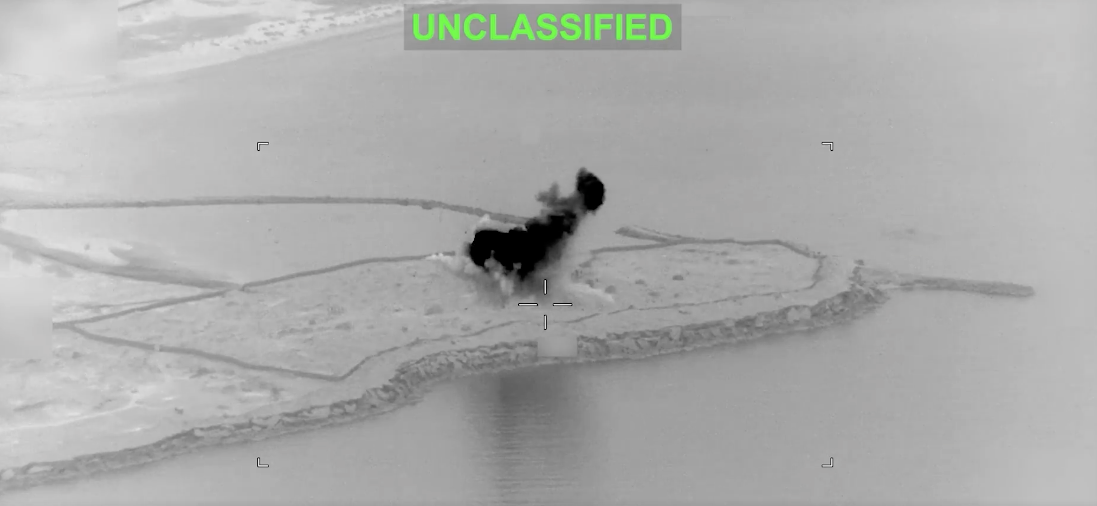
The reported US strikes on coastal radar facilities at Goruk and Qeshm Island represent more than a tactical response to Iranian drone launches; they expose a structural breakdown in the April 8 ceasefire that risks entrenching a prolonged war of attrition. While the Defense News account correctly notes the targeting of maritime traffic and Iran's subsequent ballistic missile salvos against bases in Kuwait and Bahrain, it underplays the second-order effects now rippling through global energy logistics. With roughly one-fifth of seaborne oil still transiting the Strait of Hormuz, even partial Iranian interdiction has already lifted Brent crude benchmarks and forced rerouting that adds weeks to voyages around the Cape. Pakistan's interior minister Mohsin Naqvi's reported mediation mission to Tehran further complicates the picture, as Islamabad balances its own energy vulnerabilities against longstanding ties to Gulf states. Trump's public admission that Iran retains roughly 21-22 percent of its missile inventory underscores a miscalculation in initial campaign assessments; sustained low-level strikes risk depleting US interceptor stocks while leaving Tehran with enough asymmetric capability to threaten commercial shipping for months. Analysts at the Center for Strategic and International Studies have highlighted how such flare-ups accelerate insurance premiums and tanker diversions, patterns observed during the 2019 tanker incidents. The UN World Food Programme's warning of rising hunger risks from transport costs points to downstream humanitarian fallout that extends far beyond the immediate theater.
SENTINEL: Sustained low-level strikes will drive persistent oil price volatility and force permanent shifts in tanker routing patterns, eroding the economic leverage both sides seek in negotiations.
Sources (3)
- [1]Primary Source(https://www.defensenews.com/flashpoints/middle-east/2026/06/06/us-strikes-iranian-sites-after-iran-launches-drones-in-latest-gulf-flare-up/)
- [2]Related Source(https://www.reuters.com/world/middle-east/iran-us-strikes-gulf-2026/)
- [3]Related Source(https://www.csis.org/analysis/iran-strait-hormuz-escalation-risks-2026)