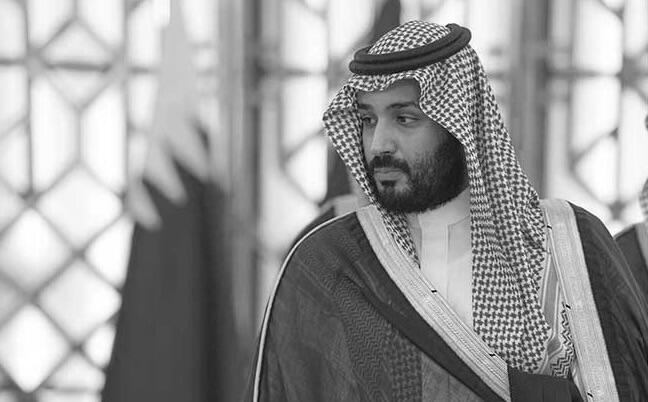
Saudi Arabia Under Strain: MBS's Power Consolidation Fuels Internal Risks Amid Economic and Military Pressures
MBS's centralization of power, the 2017 purge, marginalization of Wahhabis, and mounting economic/military pressures are corroborated across mainstream and analytical sources, raising documented questions about long-term Saudi stability without confirming imminent collapse.
The original analysis from Stark Realities highlights Crown Prince Mohammed bin Salman (MBS) breaking Saudi Arabia's traditional power-sharing arrangements since his 2017 rise, potentially inviting regime instability or broader collapse. Credible reporting supports key elements: MBS's centralization of authority disrupted the consensus-based governance among royal branches and tribal loyalties, while social liberalization measures alienated segments of the Wahhabi religious establishment.[1][2]
The 2017–2019 anti-corruption purge, centered on the Riyadh Ritz-Carlton, detained hundreds of royals, officials, and business leaders. Saudi authorities reported recovering $107 billion in settlements; independent accounts described psychological and physical coercion, with some detainees hospitalized.[3][4] This move sidelined rivals and consolidated MBS's control, ending the prior system of distributed ministerial power.[1]
Reforms such as women's driving rights, relaxed guardianship rules, and entertainment openings have drawn support from younger Saudis but provoked backlash from conservative clerics whose influence was curtailed. Former U.S. Ambassador Chas Freeman has noted that MBS "offended virtually every constituency of the royal family" and the religious establishment.[5]
Economic vulnerabilities compound these tensions. As a rentier state reliant on oil, Saudi Arabia faces demographic pressures from a youth bulge—nearly two-thirds of citizens under 30—straining subsidies and public employment amid fluctuating revenues and Vision 2030 shortfalls. Recent analyses cite budget deficits, reduced foreign investment, and the costs of the Yemen conflict, with Houthi strikes reaching Saudi territory in 2026.[6][7] Estimates of Yemen war damages have reached trillions in some assessments.[5]
While outright collapse remains speculative, multiple outlets in 2026 discuss heightened risks of internal challenges to MBS, including potential palace maneuvers or eroded loyalties, against a backdrop of regional conflicts and shifting U.S. engagement.[2][6] Diplomatic sources and analysts emphasize resilience through centralized control and youth support, yet note the erosion of traditional stabilizers.[7]
Sources (7)
- [1]Hostile Takeover: How Saudi Arabia's Crown Prince Reshaped the Kingdom(https://nationalinterest.org/feature/hostile-takeover-how-saudi-arabias-crown-prince-reshaped-the-23461)
- [2]Is time running out for Mohammed bin Salman?(https://asiatimes.com/2026/10/is-time-running-out-for-mohammed-bin-salman/)
- [3]FO Exclusive: Can Crown Prince MBS Survive Saudi Arabia’s Emerging Geopolitical Crisis?(https://www.fairobserver.com/region/middle_east_north_africa/fo-exclusive-can-crown-prince-mbs-survive-saudi-arabias-emerging-geopolitical-crisis/)
- [4]THE ECONOMIST: Mohammed bin Salman under pressure as Saudi Arabia faces three threats & unreliable Trump(https://www.economist.com/middle-east-and-africa/2026/10/19/everything-is-going-wrong-for-muhammad-bin-salman)
- [5]2017–19 Saudi Arabian purge(https://en.wikipedia.org/wiki/2017%E2%80%9319_Saudi_Arabian_purge)
- [6]'Night of the beating': details emerge of Riyadh Ritz-Carlton purge(https://www.theguardian.com/world/2020/nov/19/saudi-accounts-emerge-of-ritz-carlton-night-of-the-beating)
- [7]Yemen has inflicted $2 trillion in damages on Saudi Arabia: Ex-US ambassador(https://en.irna.ir/photo/86303875/Yemen-has-inflicted-2-trillion-in-damages-on-Saudi-Arabia-Ex-US)