Fertilizer Trade Restrictions and Global Food Security: Intersecting Geopolitics, Market Vulnerabilities, and Inflation Risks
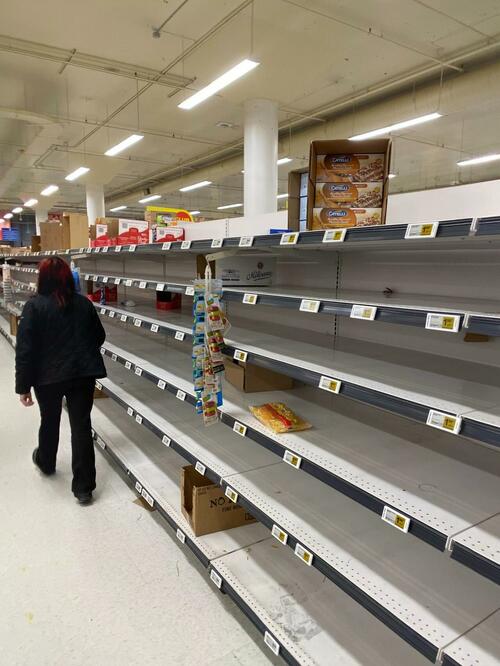
Simultaneous fertilizer export restrictions from key global suppliers during peak planting seasons highlight systemic vulnerabilities linking geopolitics to food prices, inflation transmission, and economic stability across developed and developing markets.
Recent reports indicate simultaneous restrictions on nitrogen, phosphate, and ammonia exports from major producing regions including the Strait of Hormuz corridor, Russian export halts on ammonium nitrate through late April, and Chinese prohibitions on certain nitrogen-potassium and phosphate blends extending to 2026. These measures coincide with critical Northern Hemisphere planting windows for corn, wheat, and rice crops, raising questions about potential yield impacts in the 5-10% range according to biological growth cycle analyses. Primary data from the FAO Food Price Index (April 2023 baseline update, with subsequent monitoring) shows fertilizer price volatility has historically correlated with food commodity spikes, as seen in the 2008-2009 period where simultaneous oil and fertilizer increases contributed to documented unrest in over 30 countries per World Bank contemporaneous reporting. The ZeroHedge coverage highlights deliberate timing aligned to planting calendars and describes three 'locks' on supply. However, this framing understates adaptive market responses and alternative suppliers such as Canadian potash and U.S. nitrogen production capacity, while over-attributing unified intent across actors. Official Chinese Ministry of Commerce notices from 2022 (extended in this scenario) cite domestic agricultural priorities amid domestic demand pressures, a perspective echoed in state media emphasizing food self-sufficiency goals. Russian agricultural authorities have similarly framed past restrictions as responses to domestic needs and sanctions effects, per statements in TASS archives. In contrast, geopolitical analysts point to resource leverage patterns observed in prior energy disputes. Missing from initial coverage is the connection to broader economic transmission mechanisms: sustained fertilizer shortages historically transmit to consumer price inflation via higher agricultural input costs, with IMF working papers documenting pass-through effects strongest in low-income food-import dependent nations. Links to 2022 Ukraine-related disruptions and Sri Lanka's 2021 policy-induced yield collapse (40% rice drop per government data) illustrate recurring patterns rather than isolated events. World Bank Commodity Markets Outlook reports further connect these to systemic risks including elevated global inflation baselines, pressure on central bank rate decisions, and commodity market volatility that affects everything from emerging market debt servicing to livestock feed costs. Multiple perspectives emerge: market observers see price signals potentially incentivizing new production and substitution; security analysts view it through chokepoint weaponization; development organizations emphasize humanitarian impacts on subsistence farmers in South Asia and Sub-Saharan Africa. Primary FAO documents on global fertilizer trade flows stress the need for diversified supply chains and strategic reserves rather than attributing singular causation. These recurring breakdowns underscore structural fragilities where geopolitical events intersect with biological production timelines and macroeconomic stability, warranting sustained markets coverage beyond immediate shortage narratives.
MERIDIAN: Recurring fertilizer access disruptions during critical growth stages could amplify food price inflation and commodity volatility, with uneven impacts that heighten economic pressures in import-reliant regions while prompting market adjustments elsewhere.
Sources (3)
- [1]ZeroHedge: The Food Supply Chain Is Breaking... Again(https://www.zerohedge.com/geopolitical/food-supply-chain-breaking-again)
- [2]FAO Food Price Index(https://www.fao.org/worldfoodsituation/foodpricesindex/en/)
- [3]World Bank Commodity Markets Outlook(https://www.worldbank.org/en/research/commodity-markets)