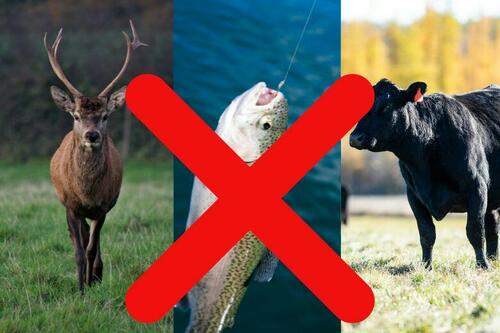
Oregon's IP28 PEACE Act: Proposed Removal of Animal Cruelty Exemptions Threatens Hunting, Fishing, and Livestock Farming
Oregon IP28 proposes stripping exemptions from animal cruelty laws, potentially banning or heavily restricting hunting, fishing, and farming activities; petition nears ballot qualification for 2026 with real signature momentum and organized opposition focused on economic and food security fallout.
A citizen initiative in Oregon, Initiative Petition 28 (IP28), also known as the People for the Elimination of Animal Cruelty Exemptions (PEACE) Act, seeks to amend state animal cruelty statutes by eliminating long-standing exemptions for practices including hunting, fishing, trapping, animal husbandry, livestock slaughter, and wildlife management. If passed by voters in November 2026, the measure would extend prohibitions on intentional injury or killing of animals—currently applied mainly to companion animals like dogs and cats—to virtually all vertebrates, effectively criminalizing many forms of animal-based food production and outdoor recreation.
The petition has reportedly collected over 120,000 signatures, surpassing the approximately 117,000 valid signatures needed to qualify for the ballot, though official verification by the Oregon Secretary of State is pending. Proponents argue it would end systemic animal exploitation by removing legal carve-outs that permit harm to animals raised or harvested for food, sport, or population control. Opponents, including hunting advocacy groups and agricultural interests, contend it would dismantle rural livelihoods, disrupt wildlife management that prevents overpopulation and disease, and increase reliance on imported animal products, raising costs for consumers.
Documented effects could extend beyond direct bans: livestock operations, commercial fishing, and even certain veterinary or research practices would face new legal risks. Oregon's economy, with significant contributions from agriculture and outdoor industries, stands to face immediate pressures on food access in rural areas where local protein sources are staples. Related critiques highlight how such measures align with broader international discussions on reducing meat consumption, though local impacts on self-sufficiency remain the primary concern for residents.
[Rural Policy Analyst]: IP28 would immediately constrain local protein production and traditional land use in Oregon's rural counties, amplifying food price volatility and accelerating out-migration from agriculture-dependent communities.
Sources (5)
- [1]Ballotpedia: Oregon Criminalize Hunting, Fishing, and Intentional Injury to Animals Initiative (2026)(https://ballotpedia.org/Oregon_Criminalize_Hunting,_Fishing,_and_Intentional_Injury_to_Animals_Initiative_(2026))
- [2]Oregon Secretary of State IP28 Text(https://sos.oregon.gov/admin/Documents/irr/2026/028text.pdf)
- [3]Yes On IP28 Official Site(https://www.yesonip28.org/about)
- [4]Oregon Capital Chronicle Coverage(https://oregoncapitalchronicle.com/2026/06/11/oregon-anti-animal-cruelty-initiative-sounded-like-a-good-idea-until-learning-details/)
- [5]Oregon Hunters Association on IP28(https://oregonhunters.org/initiative-petition-28-2/)