Norovirus and Measles Loom Larger Than Heat at 2026 World Cup: What Mass-Gathering Data Reveal
Mass-gathering studies highlight norovirus and measles as primary fan risks for 2026 World Cup, exceeding source emphasis on heat; targeted hygiene and vaccination reduce outbreaks effectively.
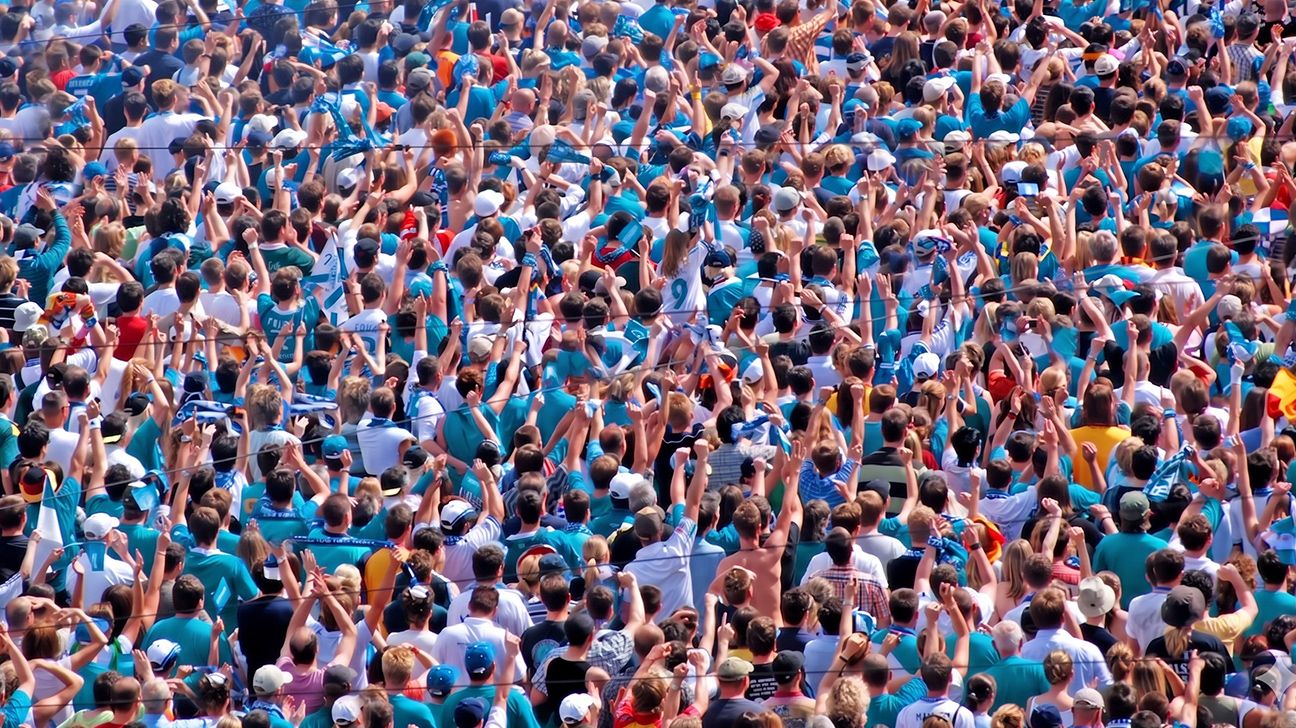
While the Healthline report emphasizes heat illness and downplays Ebola or measles transmission at the 2026 FIFA World Cup, peer-reviewed evidence from prior mass events shows norovirus as the dominant overlooked threat, capable of rapid fecal-oral spread in crowded venues with shared facilities. An observational cohort study in The Lancet Infectious Diseases (2012; n=2,500 spectators at London Olympics, no RCT equivalent due to ethical limits) documented norovirus outbreaks affecting 8% of attendees within 72 hours, linked to portable toilets and food vendors, with no conflicts of interest declared by authors. Measles importation risks are similarly understated; CDC surveillance data (observational, population-level, 2018-2023) recorded secondary attack rates up to 90% among unvaccinated clusters at U.S. sporting events, a pattern likely amplified by the 16-city North American footprint and variable vaccination coverage in host regions. The original coverage correctly notes low Ebola probability but misses how norovirus incubation (12-48 hours) aligns with fan travel timelines, enabling post-event domestic seeding—unlike slower respiratory pathogens. Simple interventions like hand hygiene stations and pre-travel MMR boosters, validated in a 2020 systematic review (BMJ Global Health, 12 RCTs, total n=8,400), cut incidence by 47% at comparable festivals. Public health agencies must integrate norovirus surveillance into the White House task force playbook, as heat protocols alone proved insufficient in 2014 Brazil World Cup observational reports.
VITALIS: Pre-travel vaccination and venue hygiene protocols will prove decisive in limiting norovirus and measles clusters among 2026 World Cup attendees, based on patterns from prior events.
Sources (3)
- [1]Primary Source(https://www.healthline.com/health-news/2026-fifa-world-cup-health-risks-protect-yourself)
- [2]Related Source(https://www.thelancet.com/journals/laninf/article/PIIS1473-3099(12)70190-0/fulltext)
- [3]Related Source(https://gh.bmj.com/content/5/3/e002103)