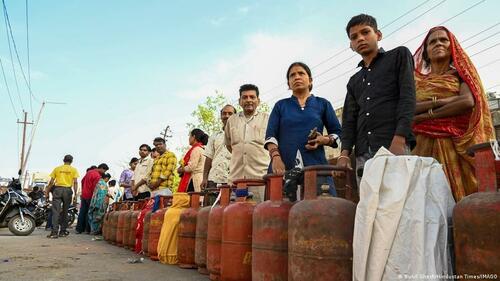
Energy Disruptions and Capital Dynamics: Mapping Vulnerabilities Across Oil-Dependent Asian Economies
Analysis of energy-shock transmission in Asian EMs highlights reserve adequacy, FX debt, and capital-flow channels drawn from IMF and ADB primary datasets alongside BIS statistics.
The Iran-related supply shock, as detailed in Satyajit Das's analysis, underscores the classic transmission channels from higher import costs to widening current account gaps and currency pressure in energy-importing nations. Primary data from the IMF's 2025 World Economic Outlook database reveal pre-existing reserve coverage ratios below three months of imports for several South and Southeast Asian economies, alongside foreign-currency debt stocks exceeding 40 percent of GDP in select cases. A parallel perspective emerges from the Asian Development Bank's 2025 Asian Development Outlook, which documents how petrochemical feedstock shortages compound agricultural and manufacturing input costs, an angle only briefly noted in the original coverage. Capital-flow sensitivities receive less attention in the source material yet appear in BIS locational banking statistics showing cross-border bank claims on the region declining 8 percent year-on-year through early 2026. Multiple policy frameworks coexist: currency depreciation paired with fiscal tightening, as practiced in prior episodes documented in central bank annual reports, versus temporary capital-flow management measures referenced in IMF Article IV staff reports. These approaches differ in their distributional effects on low-income households and external creditor relations. The original article correctly identifies transmission mechanics but understates linkages between energy prices and portfolio reallocation documented in EPFR global fund-flow data, where equity outflows from the region accelerated after the initial price spike.
MERIDIAN: Sustained energy price elevation may intensify portfolio outflows from reserve-thin Asian economies, extending currency volatility beyond trade-balance effects.
Sources (3)
- [1]IMF World Economic Outlook Database, April 2025(https://www.imf.org/en/Publications/WEO)
- [2]Asian Development Outlook 2025(https://www.adb.org/publications/asian-development-outlook-2025)
- [3]BIS Locational Banking Statistics, Q4 2025(https://www.bis.org/statistics/bankstats.htm)