Shift in Ceuta Asylum Claims: 70% of Recent Moroccan Applicants Cite Sexual Orientation Persecution
Credible reports from Spanish media and police sources confirm a surge in sexual orientation-based asylum claims among Moroccan migrants in Ceuta post-July 2026 entries, with ~70% citing persecution amid high rejection rates and suspicions of coaching. Only five grants noted so far.
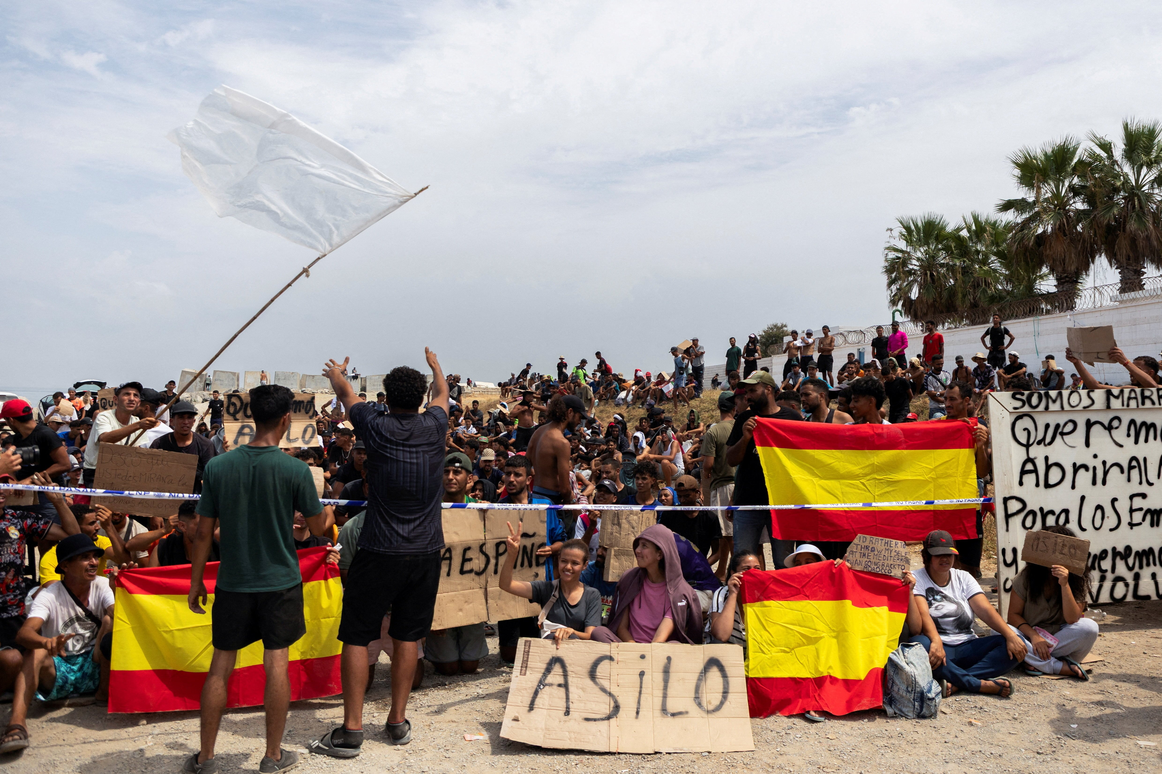
Spanish National Police sources report a notable change in asylum motivations among Moroccan migrants who entered the Spanish enclave of Ceuta during the large-scale border crossings of July 30-31, 2026. According to multiple reports citing police and union officials, approximately 70% of recent asylum applications from Moroccans now allege persecution based on sexual orientation, a sharp departure from earlier claims centered on economic hardship.
This pattern emerged weeks after the mass entries, which Spanish authorities estimated involved tens of thousands attempting to reach the enclave, with several thousand remaining. Outlets including ABC and El Periódico de Ceuta relayed figures from National Police handling migration cases, noting the shift has altered caseloads at the local asylum office. Moroccan-focused Yabiladi and others noted suspicions that some applicants may be receiving guidance on procedures to strengthen claims.
Morocco criminalizes same-sex relations under Article 489 of its penal code, with penalties of six months to three years imprisonment. The U.S. State Department has documented hundreds of annual prosecutions. However, Spanish authorities evaluate each claim individually through interviews, consistency checks, and assessment of real risk upon return—not stereotypes or declarations alone. As of mid-October 2026, only five such claims from the July entries had been granted refugee status, with rejection rates for processed Moroccan applications estimated near 99% by police sources.
The Office of Asylum and Refugees continues individual reviews. Some personal accounts, such as those reported by AP and 20minutos, describe family threats or social pressures in Morocco driving departures, though verification remains case-specific. The episode underscores challenges in processing mixed migration flows in Ceuta, where economic migrants and those with protection needs intermingle amid strained resources.
[Migration Analyst]: The pattern suggests adaptive claim strategies in response to processing realities, potentially prolonging stays and straining Ceuta's limited asylum infrastructure while genuine cases require rigorous individual vetting to avoid systemic overload.
Sources (6)
- [1]La Policía detecta un giro en Ceuta(https://gaceta.es/espana/la-policia-detecta-un-giro-en-ceuta-el-70-de-las-ultimas-solicitudes-de-asilo-de-marroquies-alega-persecucion-por-homosexualidad-20261016-1541/)
- [2]La Policía descubre un cambio de patrón en Ceuta(https://www.abc.es/espana/policia-detecta-cambio-patron-ceuta-marroquies-pide-20261016013955-nt.html)
- [3]¿Qué alegan ahora los inmigrantes que entraron en Ceuta para pedir el asilo?(https://www.elnacional.cat/es/politica/que-alegan-ahora-inmigrantes-entraron-en-ceuta-pedir-asilo_1710535_102.html)
- [4]Ceuta: aumentan las solicitudes de asilo de marroquíes por su orientación sexual(https://es.yabiladi.com/articles/details/205081/ceuta-aumentan-solicitudes-asilo-marroquies.html)
- [5]Spanische Polizei: 70 Prozent der neuen Asylbewerber in Ceuta(https://www.welt.de/politik/ausland/article6ad5e491199dc15f1abd919a/spanische-polizei-70-prozent-der-neuen-asylbewerber-in-ceuta-geben-an-wegen-homosexualitaet-verfolgt-zu-werden.html)
- [6]Los migrantes LGTBI que piden en Ceuta asilo por la represión de Marruecos(https://www.rtve.es/noticias/20261016/migrantes-lgtbi-piden-ceuta-asilo-por-represion-marruecos-vivia-calle-escondida-policia/17270584.shtml)