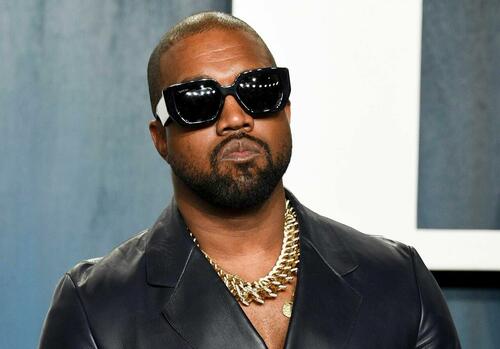
UK's Kanye West Ban: How Travel Restrictions Became a Tool for State-Enforced Cancel Culture
The UK government's revocation of Kanye West's travel authorization over past antisemitic comments, leading to Wireless Festival's cancellation, exemplifies the shift of cancel culture into official state policy via immigration tools, prioritizing ideological vetting over artistic or economic considerations despite West's offers of dialogue and reconciliation.
The UK Home Office's revocation of Kanye West's Electronic Travel Authorisation (ETA), just hours after initial approval, and the subsequent cancellation of the entire Wireless Festival highlights a troubling escalation: governments deploying border controls not merely for security but as instruments of political and ideological gatekeeping. Citing that West's presence "would not be conducive to the public good" due to his history of antisemitic remarks and comments perceived as celebrating Nazism, officials effectively transformed immigration policy into a speech regulator.[1][2]
This case goes beyond one artist's controversies. Festival organizers, including managing director Melvin Benn—a self-described anti-fascist with personal ties to Israel—had defended the booking on grounds that West would perform mainstream songs already widely streamed and broadcast in the UK without issue, arguing he retained a legal right to enter and perform. They appealed for forgiveness and second chances, noting his ongoing "Bully" tour featuring ambitious productions like a 50-foot rotating globe stage that drew massive crowds in Los Angeles. Yet political pressure from Prime Minister Keir Starmer, who called the booking "deeply concerning," Education Secretary Bridget Phillipson labeling the remarks "disgusting," and Jewish community leaders proved decisive. Sponsors like Pepsi and Diageo withdrew, amplifying the backlash until the Home Office intervened.[3][4]
West responded by offering to meet directly with UK's Jewish community, stating "words alone are not enough" and pledging to demonstrate change through actions. The episode reveals how post-October 7 sensitivities, combined with longstanding UK hate speech norms, have expanded state discretion under seemingly administrative tools like the ETA system. What was once confined to private platforms deplatforming or corporate sponsors pulling out has now migrated to official policy, creating de facto ideological no-fly lists for artists and public figures.
Connections to broader patterns emerge upon inspection: similar travel or visa denials have targeted other controversial voices across the political spectrum in Western nations, suggesting a convergence where "public good" clauses serve as flexible proxies for enforcing prevailing orthodoxies on sensitive topics like antisemitism, immigration, or cultural critique. The promoter's candid defense—that millions in revenue and existing airplay justified the gig—underscores the financial stakes, yet moral and political considerations overrode them. This sets a precedent: controversial speech, even years old and decoupled from the performance itself, can nullify contractual rights and disrupt major cultural events.
Critics of the decision see it as extending cancel culture from social and corporate spheres into sovereign policy, risking selective enforcement that chills international artistic exchange. Supporters argue it upholds societal values against hatred. Either way, the Wireless cancellation—full refunds issued, no performances—illustrates how state mechanisms can swiftly enforce conformity, raising questions about where political censorship ends and public protection begins in an era of globalized speech.
[LIMINAL]: This normalizes ideological border screening for artists, turning temporary travel approvals into de facto loyalty tests and accelerating the fusion of cultural enforcement with state power across democracies.
Sources (4)
- [1]Kanye West refused entry to UK, Wireless Festival cancelled(https://www.reuters.com/business/media-telecom/pressure-mounts-uk-government-ban-kanye-west-after-festival-backlash-2026-04-06/)
- [2]Wireless Festival cancelled after Kanye West blocked from coming to UK(https://www.bbc.com/news/articles/c4gxk3kxjr0o)
- [3]Wireless festival cancelled after Kanye West banned from entering UK(https://www.theguardian.com/music/2026/apr/07/home-office-bans-kanye-west-from-entering-uk-wireless-festival)
- [4]Kanye West ‘Should Never Have Been Invited,’ Starmer Says After Barring Rapper From U.K.(https://www.nytimes.com/2026/04/07/world/europe/kanye-west-ye-keir-starmer-uk-wireless.html)