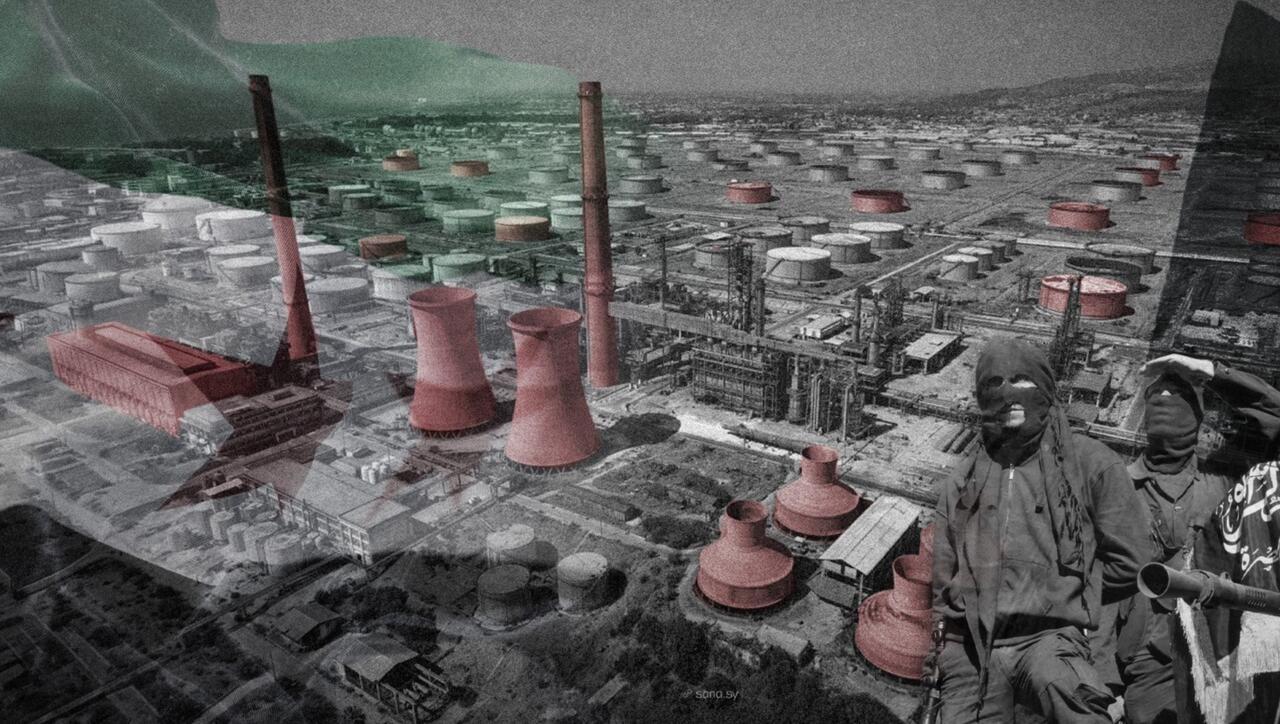
Syria's Gas Pipelines Targeted in Series of Sabotage Attacks as Energy Corridors Emerge
Confirmed sabotage on Jbessa gas lines and an unresolved blast near Tishreen have disrupted Syrian power supplies amid a pattern of energy infrastructure attacks, complicating ambitions for cross-border energy corridors.
Recent explosions on Syria's gas infrastructure have disrupted supplies to power plants and raised questions about the security of the country's energy network amid efforts to position itself as a transit hub. On August 18, 2026, an explosion on the gas export line from the Jbessa gas plant in Hasakah province halted flows to electricity turbines; the Syrian Petroleum Company attributed it to deliberate sabotage after preliminary investigation. A second incident struck the same Jbessa line near Al-Shula in Deir Ezzor on September 28, with explosives damaging a sectional valve and requiring replacement of an 18-meter pipe section before service resumed on October 2. On September 30, a blast on a gas line feeding the Tishreen thermal plant near Damascus knocked three major power stations—Tishreen, Deir Ali, and Nasiriyah—offline, though authorities have not confirmed whether it was sabotage, a technical fault, or another cause. These events align with a broader pattern: Syrian officials reported at least 22 pipeline attacks in 2026 prior to the latest incidents, spanning regions including Hasakah, Deir Ezzor, Homs, and Tartus. No group has claimed responsibility, and possibilities discussed include remnants of ISIS active in eastern Syria or opportunistic theft, as seen in separate oil pipeline incidents. The timing coincides with Damascus's push to integrate into projects like the Arab Gas Pipeline and routes for Iraqi oil to the Mediterranean, where repeated strikes could deter investment by highlighting protection challenges for critical infrastructure. Syrian state media and international outlets have documented the repairs and power disruptions, underscoring the economic stakes for electricity generation and regional connectivity.
[Energy analysts]: Repeated attacks on key gas lines could slow Syria's integration into regional pipelines like the Arab Gas Pipeline by increasing perceived risks for investors and partners.
Sources (6)
- [1]Syria says gas pipeline fire between AL-shola and Deir Al-zour caused by 'act of sabotage'(https://www.reuters.com/business/energy/syria-says-gas-pipeline-fire-between-al-shola-deir-al-zour-caused-by-act-2026-09-28/)
- [2]Who is sabotaging Syria's recovering gas network?(https://www.newarab.com/analysis/who-sabotaging-syrias-recovering-gas-network)
- [3]Sabotage and theft blamed after explosion sparks fire on Syrian gas pipeline(https://www.thenationalnews.com/news/mena/2026/09/29/sabotage-blamed-after-explosion-sparks-fire-on-syria-gas-pipeline/)
- [4]Syria pipeline attacks threaten regional energy ambitions(https://en.majalla.com/node/333474/opinion/syria-pipeline-attacks-threaten-regional-energy-ambitions)
- [5]Gas line explosion at Tishreen plant disrupts operations at three power plants(https://sana.sy/en/syria/2347145/)
- [6]Gunmen kill 7 on bus in Syria as pipeline blast knocks out 3 power plants(https://www.aljazeera.com/news/2026/9/30/gas-pipeline-explodes-in-syria-knocks-three-power-plants-offline)