Resilient At-Home Cooking Trend Pressures Restaurants and Food Service Employment Amid Economic Strain
Campbell's CEO reports at-home cooking at pandemic-era highs, boosting their sales while pressuring restaurant traffic and jobs amid inflation and tariffs. Industry forecasts modest growth but faces K-shaped consumer spending, softening traffic, and debates over shifting daily habits under economic strain.
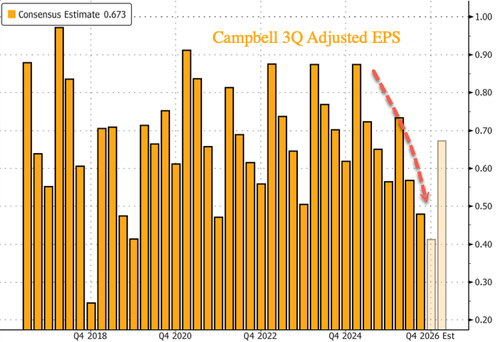
Campbell's CEO Mick Beekhuizen recently highlighted a notable consumer shift: Americans are preparing meals at home at the highest levels since early 2020, driven by efforts to stretch food budgets amid ongoing inflation, tariff concerns, and economic uncertainty. This trend has boosted Campbell's meals and beverages segment, with sales surging 15% in its fiscal third quarter to $1.5 billion, particularly in soups, broths, and sauces popular with younger home cooks. The company reported improved consumption across all income groups, with several key brands gaining or holding market share.
This development serves as a cautionary signal for the restaurant industry. Analysts and operators have noted softening traffic, with same-store sales growth cooling and some months showing declines in customer visits. A KPMG survey from mid-2025 found that 69% of consumers are eating more meals at home specifically to save money, with many expecting to reduce restaurant spending by about 7% amid fears of higher prices from tariffs and stagnant wages for middle-income households. While the National Restaurant Association projects 2026 industry sales to reach $1.55 trillion with 1.3% real growth and the addition of around 100,000 jobs (bringing total employment to 15.8 million), operators report uneven traffic, persistent cost pressures, and a 'cautiously optimistic' outlook dependent on budgets allowing for dining out.
Deeper analysis reveals a K-shaped recovery at play: higher-income consumers continue driving restaurant spending on experiences and convenience, while lower- and middle-income groups pull back, opting for value-oriented home cooking. USDA data shows food-away-from-home prices rising faster than at-home options in recent years, amplifying the incentive to cook rather than dine out. This dynamic not only squeezes restaurant revenues—particularly for full-service and casual dining—but also threatens food service jobs, as reduced traffic can lead to fewer shifts, slower hiring, and potential consolidation. The leisure and hospitality sector, already facing labor challenges post-pandemic, may see its recovery stall if this at-home resilience persists.
The trend sparks broader debate on daily spending habits. Is this a temporary reaction to 2025's economic headwinds, including cooling labor markets and tariff impacts, or a lasting post-inflation shift toward frugality? Restaurant leaders are responding with value menus, automation, and retail product extensions to recapture some at-home dollars. However, Campbell's observation of a 'resilient' home-cooking consumer suggests structural pressures that could weigh on the sector through 2026 and beyond, forcing innovation around affordability and efficiency while highlighting growing economic divides in American households.
LIMINAL: Sustained home cooking under budget pressures will likely constrain restaurant traffic and employment growth, deepening divides between income groups and pushing the industry toward aggressive value strategies and automation through 2026.
Sources (5)
- [1]Canned soup maker Campbell's beats estimates as eat-at-home trend boosts demand(https://www.reuters.com/business/retail-consumer/campbells-beats-third-quarter-estimates-eat-at-home-trend-boosts-demand-2025-06-02/)
- [2]Cash-strapped consumers push at-home cooking to highest level since 2020: Campbell’s(https://www.fooddive.com/news/campbells-says-consumers-cooking-at-home-highest-since-covid-19/749571/)
- [3]Campbell CEO: Americans are cooking more at home(https://www.axios.com/2025/06/02/campbell-soup-home-cooking-economy)
- [4]State of the Restaurant Industry 2026(https://restaurant.org/research-and-media/research/research-reports/state-of-the-industry/)
- [5]Consumers expected to spend 7% less on restaurants this summer(https://www.restaurantdive.com/news/kpmg-consumer-pulse-summer-2025-spending-seven-percent-less-restaurants/745994/)