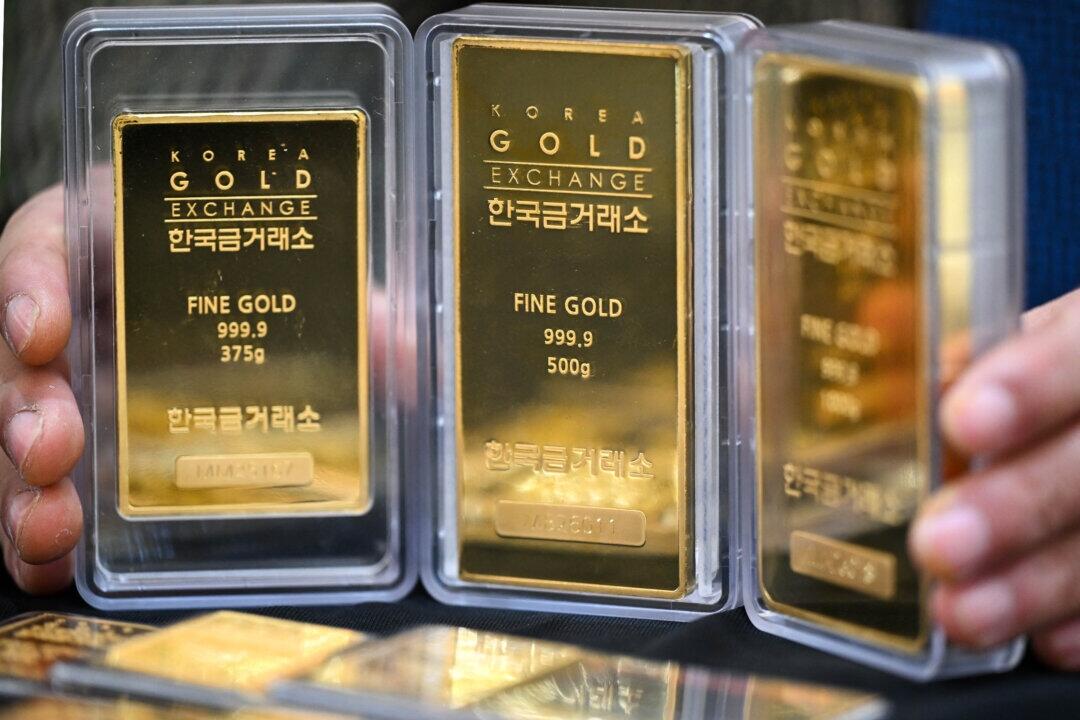
Central Banks Accelerate Gold Purchases to Fastest Pace Since Late 2024 Amid Diversification Push
WGC data shows central banks bought 321t of gold in Q3 2026—the strongest pace since late 2024—driven by diversification, with ETFs rebounding while retail and jewelry demand cooled at high prices. Forecast for 2026 official buying raised to match or exceed prior year.
The World Gold Council’s Q3 2026 Gold Demand Trends report, released November 3, confirms central banks and official institutions added a net 321 tonnes of gold in the quarter—up 42% year-over-year and the strongest quarterly total since Q4 2024. This eclipsed the five-year average of 227 tonnes and lifted year-to-date official buying to 675 tonnes, 6% above the prior-year period. The Council raised its full-year 2026 forecast, now expecting purchases to at least match the 848 tonnes recorded in 2025.
Disclosed purchases totaled only about 120 tonnes, meaning roughly 63% of the quarter’s activity remained unreported, a pattern consistent since 2022. Among reported buyers, the People’s Bank of China led with 63 tonnes, followed by Poland’s National Bank at 40 tonnes; Kazakhstan and Uzbekistan each added 14 tonnes. Portfolio diversification and risk management were cited as primary drivers, even at elevated prices.
Total gold demand held nearly steady at 1,369 tonnes (-1% YoY), with value rising 22% to $188 billion due to an average price of $4,262/oz. Physically backed ETFs reversed Q2 outflows with 211 tonnes of inflows, pushing holdings to a record 4,256 tonnes. In contrast, bar-and-coin demand fell 19% to 268 tonnes and jewelry slipped 17% to 313 tonnes as retail buyers awaited clearer price signals and high prices pressured affordability. Technology demand edged up 3% to 85 tonnes, supported by AI-related manufacturing.
Mine production rose 3% to a Q3 record of 1,071 tonnes while recycling dropped 8%. The report notes competing forces ahead: potential headwinds from rising rates and inflation versus support from geopolitical risks and fiscal concerns. Gold’s price has since retreated below $4,000/oz from earlier 2026 peaks above $5,600.
Analyses from Seeking Alpha, FXStreet, and Cashu Research highlight how official-sector buying, much of it opaque, is offsetting weakness in private investment and jewelry, underscoring central banks’ strategic positioning in an uncertain macroeconomic environment.
Sources (6)
- [1]Central bank buying and ETF inflows support gold demand in Q3(https://www.gold.org/news-and-events/press-releases/central-bank-buying-and-etf-inflows-support-gold-demand-q3)
- [2]Gold Demand Trends: Q3 2026(https://www.gold.org/goldhub/research/gold-demand-trends/gold-demand-trends-q3-2026)
- [3]Central Banks section - Gold Demand Trends Q3 2026(https://www.gold.org/goldhub/research/gold-demand-trends/gold-demand-trends-q3-2026/central-banks)
- [4]Gold Demand Trends: Q3 2026 | Seeking Alpha(https://seekingalpha.com/article/4962031-gold-demand-trends-q3-2026)
- [5]Gold demand steady in Q3 supported by ETFs and central banks | FXStreet(https://www.fxstreet.com/analysis/gold-demand-steady-in-q3-supported-by-etfs-and-central-banks-202611040007)
- [6]Gold Demand Q3 2026: Central Banks, ETFs & Four Key Charts | Cashu Research(https://research.cashugroup.com/news/gold-demand-q3-2026-central-banks-etfs-jewellery)