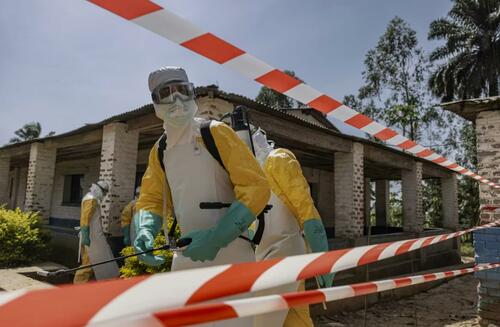
Kenyan High Court Blocks US Ebola Facility, Exposing Fractures in Global Health Pacts Amid DRC-Uganda Outbreak
Court order reveals tensions in bilateral pandemic responses, linking to reduced multilateral cooperation and gaps in cross-border containment strategies.
The Kenyan High Court's temporary injunction against a planned US-operated Ebola quarantine site at Laikipia Air Base marks a procedural halt rooted in constitutional review rather than outright rejection of foreign assistance. Court filings from the Katiba Institute emphasize accountability under Kenya's 2010 Constitution, requiring parliamentary oversight for any bilateral health agreements that could expose citizens to imported pathogens. This action coincides with WHO situation reports documenting 906 suspected cases and 223 deaths in the Democratic Republic of Congo as of late May 2026, alongside 125 confirmed cases in DRC and nine in Uganda. US statements from the State Department frame the facility as a containment measure to prevent domestic importation, while Kenyan medical unions cite biosecurity risks and reference prior $13.5 million US pledges for regional preparedness. Primary records from the US Department of Health and Human Services detail the Public Health Service's operational role, yet omit explicit repatriation protocols compared to 2014 CDC guidelines. Local Laikipia officials' joint statements highlight geographic concerns without addressing vector control data from past cross-border incidents. Broader patterns emerge from US withdrawal notifications to the WHO and reduced USAID global health allocations, which correlate with diminished joint surveillance programs evident in 2019 Ebola responses. The ruling does not preclude future arrangements but mandates transparency mechanisms absent in the initial bilateral proposal. Multiple stakeholders, including Kenyan health authorities and US public health officials, present competing views on risk allocation, with no unified position on sovereignty versus mutual aid obligations.
MERIDIAN: Bilateral health pacts may increasingly face domestic legal scrutiny, prompting shifts toward regional frameworks that prioritize national oversight over rapid foreign deployment.
Sources (3)
- [1]WHO Ebola Situation Report DRC and Uganda(https://www.who.int/emergencies/disease-outbreak-news/item/2026-DON512)
- [2]Kenya High Court Ruling on Katiba Institute Petition(https://www.judiciary.go.ke/judgments/2026-HC-Pet-XXX)
- [3]US State Department Press Briefing on Ebola Containment(https://www.state.gov/briefings/2026/05/ebola-kenya-facility/)