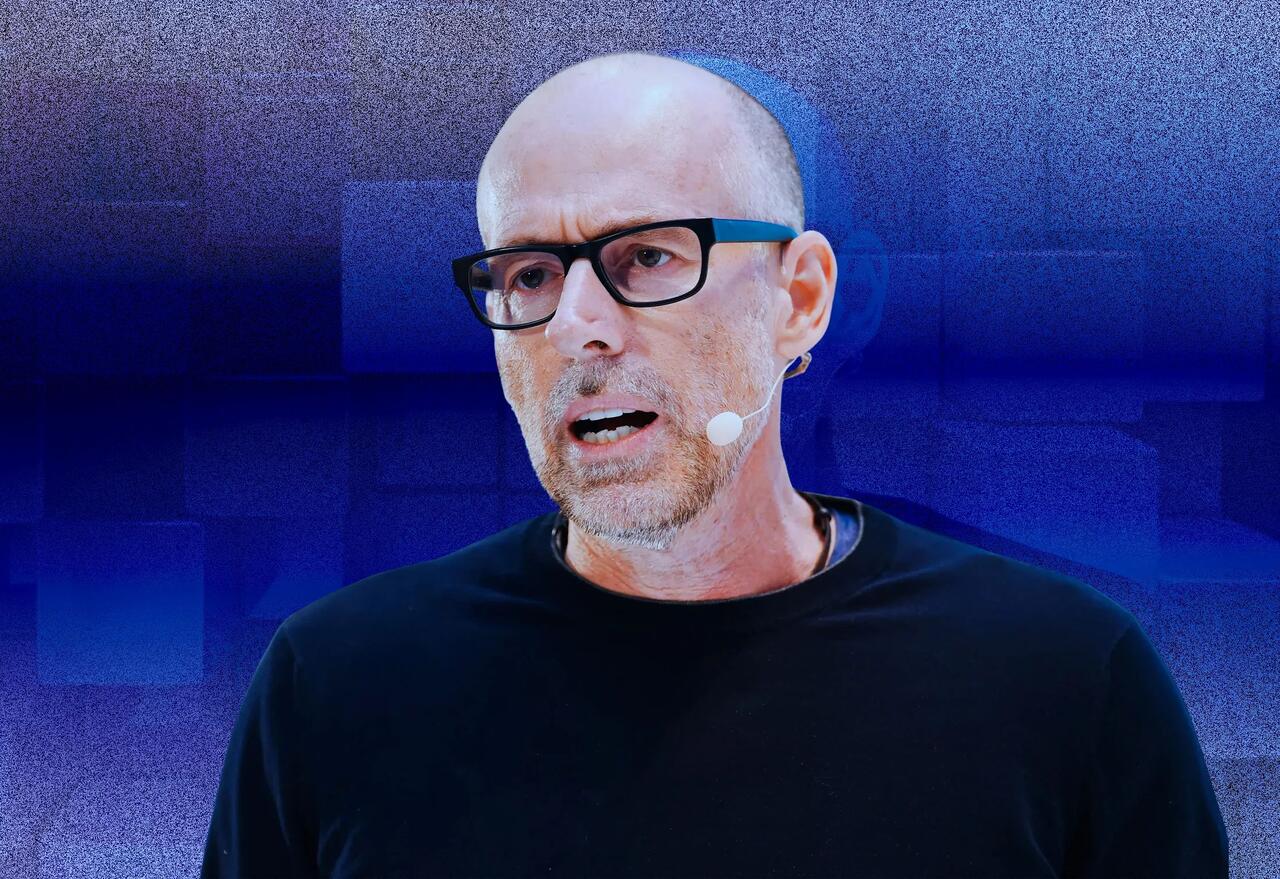
Beyond the Couch: Scott Galloway and Anna Lembke on Lifestyle as Therapy for Young Men's Mental Health Crisis
Galloway and Lembke argue practical life changes outperform excessive inward therapy for young men; ties into mental health costs and job market barriers.
NYU Stern professor Scott Galloway and Stanford psychiatrist Anna Lembke have sparked discussion on the limits of traditional therapy for young men, emphasizing practical steps like securing employment, building social connections, and physical activity as powerful alternatives or complements. In a recent episode of The Prof G Pod, Galloway described these changes as a "nuclear detonation of therapy" for most of the young men he encounters, critiquing what he calls "ring light therapists" on TikTok for fostering inward-focused "cults of therapy." Lembke, author of Dopamine Nation and the forthcoming Radical Surrender, echoed this on the podcast, noting that modern therapy often prioritizes past trauma over present actions, potentially trapping individuals in cycles of rumination rather than forward momentum.
This perspective resonates amid rising mental health challenges for young men, including higher rates of isolation, addiction to digital stimuli, and economic barriers to stability. Employment not only provides income but also structure, purpose, and social integration, potentially reducing the need for prolonged therapy sessions that can cost hundreds per hour. Lembke highlights how patients benefit from outward engagement—such as exercise or community involvement—over exhaustive analysis of past events, aligning with broader evidence that behavioral activation and social support outperform purely introspective approaches for many.
Critics of over-medicalized therapy culture point to the economic ripple effects: young men delaying workforce entry due to mental health labels may face compounding costs in therapy while missing earnings and career progression. Lembke's emphasis on "radical surrender" and breaking dopamine-driven habits extends this to societal levels, where high-dopamine digital environments exacerbate disconnection. Galloway's book Notes on Being a Man frames these issues as a crisis of purpose, urging action over endless self-work.
While Galloway offered anecdotal estimates (60-90% efficacy), Lembke's clinical experience at Stanford's addiction medicine program lends weight, advocating a balance where therapy serves as a tool, not a lifestyle. This synthesis suggests integrating lifestyle interventions could lower systemic mental health expenditures and boost economic participation.
Sources (4)
- [1]A Stanford Psychiatrist on Escaping the Addiction Economy - The Prof G Pod with Scott Galloway(https://podcasts.apple.com/us/podcast/a-stanford-psychiatrist-on-escaping-the-addiction-economy/id1498802610?i=1000799575637)
- [2]Scott Galloway and Dr. Anna Lembke: The Antidote for the Modern Male (YouTube)(https://www.youtube.com/watch?v=NN1ggOKp94Q)
- [3]Anna Lembke Stanford Profile and Books(https://med.stanford.edu/profiles/anna-lembke)
- [4]After my son died I learned that I could not be in control of grief — Irish Examiner on Lembke(https://www.irishexaminer.com/lifestyle/healthandwellbeing/arid-41933730.html)