Germany's Helsing unveils Clarity as Europe seeks Palantir alternatives
European militaries are seeking alternatives to Palantir as Germany's Helsing launches Clarity and France and the Netherlands set timelines for sovereign AI systems. The move reflects a strategic effort to reduce dependence on U.S. platforms while preserving alliance interoperability. It matters because intelligence and targeting software is central to military decision-making, data sovereignty and defense industrial policy.
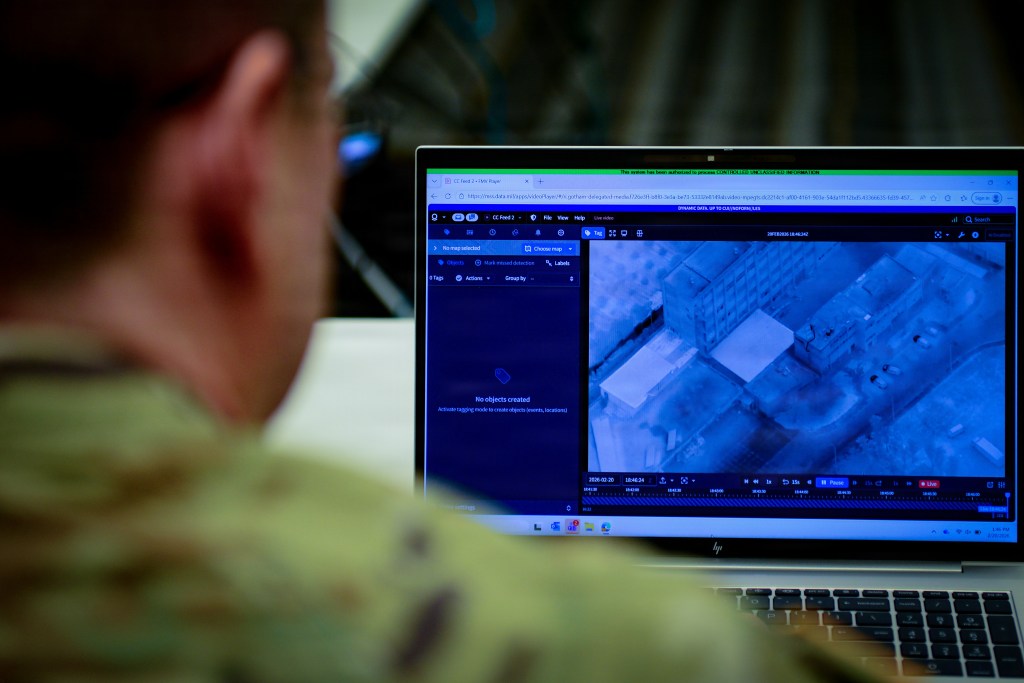
Germany's defense technology firm Helsing has unveiled Clarity, a military intelligence software designed to help armed forces process large data sets, identify threats and support targeting decisions. The launch comes as European defense ministries look for alternatives to Palantir Technologies, the U.S. company whose Maven Smart System is used by NATO, Ukraine and the U.S. military. Officials say Europe still lacks a platform matching Palantir's scale, deployment footprint and operational experience. Germany has narrowed a shortlist for an AI-based military data integration platform to a handful of solutions that do not include Palantir, according to a person familiar with the matter. The person said the European options would not match Palantir's capabilities but could reach about 80% of requirements within a year while preserving national data sovereignty. France plans to award at least some contracts for its Arcadia platform by year's end and field an operational version by mid-2027, while the Netherlands says it wants a European alternative within two years. The push is tied to broader pressure on Europe to assume more responsibility for its own security as the Trump administration scales back U.S. military presence and leans on NATO allies. Similar dependence concerns surround satellite communications, where SpaceX dominates, after Ukraine reported significant disruptions to its access. European officials describe the homegrown AI market as capable but fragmented, with questions over interoperability, data security, AI training and the ability of different systems to work together in alliance operations. The shift affects European armed forces, defense contractors and U.S. software suppliers because command-and-control and intelligence tools sit at the center of modern warfare. Palantir's widespread adoption gives it operational familiarity and integration advantages, while European alternatives promise sovereignty and political control over sensitive data. The choice is not only commercial: it shapes how European militaries share intelligence, procure systems and coordinate with NATO partners under constrained budgets and rising security demands.
European militaries and defense contractors face a trade-off between proven U.S. platforms and sovereign European systems, affecting how sensitive intelligence is stored, shared and used in NATO operations. The procurement choices will influence long-term control over military decision-support technology and the region's dependence on American software suppliers.
Sources (1)
- [1]Original source(https://www.defensenews.com/news/2026/11/16/europe-hunts-for-palantir-alternatives-as-militaries-seek-to-limit-us-dependence/)