Post-Missile Exchange: Iran's Diplomatic Review Exposes US-Iran Power Dynamics Beyond Nuclear Talks
Following US strikes on Iran and Iranian retaliatory attacks on US assets in Bahrain, Kuwait, and Jordan, Tehran announces a review of diplomacy with the US, illustrating a hybrid battlefield-diplomacy strategy that challenges mainstream emphasis on nuclear talks alone and risks broader escalation.
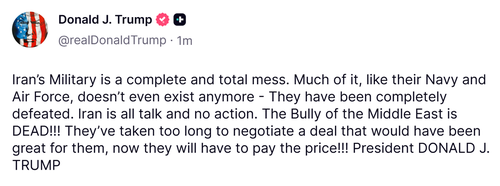
In the aftermath of a significant overnight missile exchange between US and Iranian forces, Tehran has signaled a formal review of its diplomatic engagement with Washington, highlighting a calculated blend of battlefield assertions and negotiation that mainstream coverage often subordinates to nuclear deal narratives. According to multiple reports, the sequence began with Iran downing a US Apache helicopter in the Strait of Hormuz region, prompting American 'defensive strikes' targeting air defense systems, ground control stations, and radar sites near Bandar Abbas and Qeshm Island. Iran responded by launching missiles and drones at US-linked targets in Bahrain (including the Fifth Fleet headquarters), Kuwait, and Jordan, with explosions reported in Manama and intercepts over multiple Gulf states. President Trump characterized Iran's military as a 'complete and total mess' while describing US actions as 'very strong' and 'very powerful.' Iran's Foreign Ministry spokesperson Esmaeil Baghaei stated that recent violations have eroded the 'minimum level of conducive conditions' for diplomacy, emphasizing that 'diplomacy and the battlefield are not separate matters' in protecting national interests. This episode marks the latest breach in a fragile ceasefire amid the broader 2026 Iran conflict, which has involved parallel escalations with Israel over Lebanon and Gaza. Analysts note that both sides believe they can calibrate escalation, yet repeated incidents risk spiraling beyond control if red lines are crossed, as regional expert Elijah Magnier warned in related coverage. What emerges is Tehran's strategic recalibration: using demonstrated missile capabilities, such as salvos of Kheybar-Shekan aero-ballistic systems, to establish firmer negotiating parameters rather than pursuing talks in isolation. Mainstream focus on potential peace deals or nuclear issues tends to downplay this dynamic, where Iran leverages hybrid pressure to counter perceived US and Israeli inconsistencies. Connections to wider disruptions—oil market shocks, attacks on infrastructure, and involvement of Gulf hosts for US bases—underscore how localized strikes ripple into economic and alliance strains, potentially delaying any stable exit while Lebanon and Gaza remain unresolved. This pattern reveals Tehran's view that visible resilience on the battlefield is prerequisite to viable diplomacy, a lens that contextualizes the current review as power positioning rather than mere retaliation.
LIMINAL: Iran's assertive mixing of missile retaliation with diplomatic review will likely force Washington to recalibrate its pressure tactics, prolonging the cycle of controlled escalation and complicating any nuclear or peace framework by embedding battlefield outcomes into future talks.
Sources (5)
- [1]Iran war live: Tehran targets US forces in Bahrain, Jordan, and Kuwait(https://www.aljazeera.com/news/liveblog/2026/6/10/iran-war-live-tehran-vows-response-as-us-strikes-over-downed-helicopter)
- [2]Iran launches retaliatory strikes on US targets in the Middle East(https://www.cnn.com/2026/06/09/world/live-news/iran-war-trump-israel)
- [3]Middle East crisis live: Iran launches broad retaliatory strikes(https://www.theguardian.com/world/live/2026/jun/10/iran-war-updates-missile-strikes-trump-us-retaliation-middle-east-crisis-war-live)
- [4]Iran war latest: Israeli air force hits Iranian military targets(https://news.sky.com/story/iran-latest-israel-launches-preventative-attack-defence-minister-says-13509565)
- [5]2026 Iran war(https://en.wikipedia.org/wiki/2026_Iran_war)