Drone Strike Near UAE Nuclear Plant Exposes Overlooked Vulnerabilities in Gulf Energy Infrastructure Amid Proxy Shadow Wars
A verified drone attack on the perimeter of the UAE's Barakah nuclear facility reveals critical defense gaps in Gulf energy infrastructure, linking proxy shadow warfare tactics to potential widespread power disruptions amid fragile Iran ceasefires.
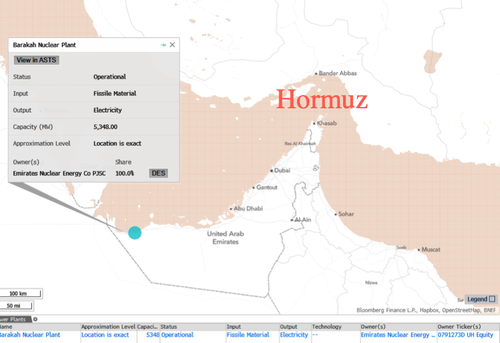
A kamikaze drone struck an electrical generator outside the inner perimeter of the Barakah Nuclear Power Plant in Abu Dhabi's Al Dhafra region on May 17, 2026, igniting a fire but causing no injuries, no radiological contamination, or operational disruptions. The plant, featuring four APR-1400 reactors with a combined 5.6 GW capacity supplying roughly 25% of the UAE's electricity, represents a high-value target whose compromise could destabilize the national power grid. Authorities from the Abu Dhabi Media Office and the Federal Authority for Nuclear Regulation (FANR) confirmed all safety systems remained intact, with the International Atomic Energy Agency monitoring the situation and urging maximum military restraint near nuclear sites.
While mainstream coverage frames this as an isolated test of a fragile U.S.-Iran ceasefire described by officials as on 'life support,' deeper examination reveals systemic vulnerabilities in Gulf energy infrastructure long overlooked amid headline-grabbing direct confrontations. This incident fits a pattern of proxy shadow wars where asymmetric actors, potentially aligned with Iranian interests, employ increasingly sophisticated one-way attack drones to probe defenses around critical economic assets. Reuters notes the strike strains ongoing diplomatic efforts, occurring alongside Iranian control over the Strait of Hormuz and halted commercial shipping that has already slashed Iraqi oil output to 1.4 million barrels per day.
Connections missed by surface-level reporting include the parallel between this nuclear-adjacent strike and prior attacks on Saudi oil facilities, demonstrating how commercial off-the-shelf drone technology has matured to threaten hardened sites far from active battlefronts. Al Jazeera reports no immediate claim of responsibility, with Iran remaining silent—an ambiguity typical of deniable proxy operations that allows escalation without triggering full-scale retaliation. The UAE and Saudi Arabia have previously conducted strikes against Iran in response to early war attacks, per regional coverage, illustrating a tit-for-tat dynamic now extending to civilian-adjacent power infrastructure.
Barakah's location near the Saudi border further highlights regional exposure: multiple Gulf states are expanding nuclear and energy programs, yet anti-drone perimeter defenses appear insufficient against low-flying, evasive threats. Should future iterations penetrate deeper, the cascading effects could include blackouts affecting desalination plants, oil refineries, and urban centers, amplifying economic shocks already evident in Israel's 3.3% Q1 contraction and broader regional fallout. This event signals an evolution in conflict where energy infrastructure itself becomes the battlefield, underscoring the urgent need for integrated air defense networks, international nuclear protection protocols in conflict zones, and diversified grid resilience—measures that have received insufficient attention compared to kinetic operations in the Iran theater.
The strike thus serves as a wake-up call: in widening proxy wars, the most damaging blows may not come from overt missile barrages but from precision drones exploiting gaps in 'over-the-horizon' security thinking.
Shadow War Analyst: This perimeter breach proves Gulf nuclear and energy sites remain exposed to affordable proxy drone tactics, likely prompting accelerated multi-layered defenses but raising risks of grid-level disruptions if shadow conflicts intensify without diplomatic breakthroughs.
Sources (3)
- [1]AP News - Drone strike sparks fire on perimeter of UAE nuclear power plant(https://apnews.com/article/iran-us-uae-nuclear-drones-71e7e58f45193b7dee3df28740532a7b)
- [2]Reuters - UAE reports drone strike at nuclear power plant as Iran war ceasefire tested(https://www.reuters.com/world/middle-east/abu-dhabi-says-drone-strike-caused-fire-barakah-nuclear-power-plant-no-injuries-2026-05-17/)
- [3]Al Jazeera - Drone strike sparks fire at UAE's Barakah nuclear power plant(https://www.aljazeera.com/news/2026/5/17/drone-strike-sparks-fire-at-uaes-barakah-nuclear-power-plant)