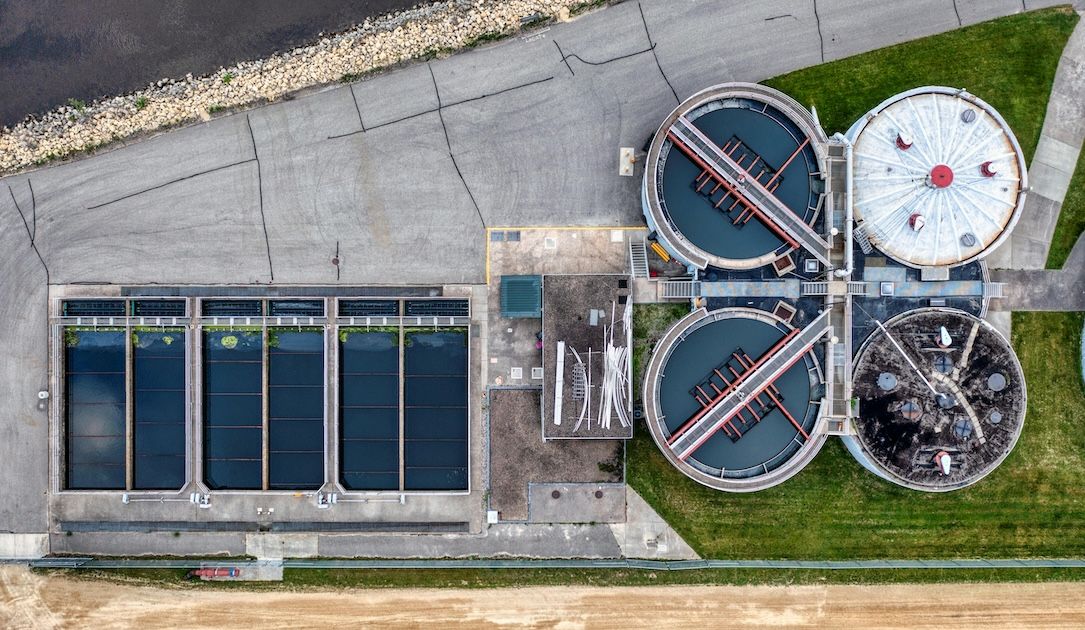
Polish Water Treatment Cyberattacks Expose Wider NATO Infrastructure Risks Amid Russian Hybrid Warfare
Hackers targeted Polish water treatment systems in 2025, exposing vulnerabilities in industrial control systems (ICS) and signaling a broader Russian hybrid warfare strategy against NATO. Beyond immediate risks, the attacks highlight systemic infrastructure fragility across the Alliance, urging a unified defense approach.
Poland’s Internal Security Agency (ABW) recently disclosed that hackers breached water treatment control systems in five towns—Jabłonna Lacka, Szczytno, Małdyty, Tolkmicko, and Sierakowo—in 2025, gaining the ability to manipulate technical parameters and threaten water supply continuity. While the ABW report refrains from direct attribution, it strongly implies Russian state involvement, aligning with a broader pattern of intensified cyber and sabotage operations targeting Poland since Russia’s 2022 invasion of Ukraine. This incident is not an isolated event but a critical signal of escalating hybrid warfare against NATO states, with industrial control systems (ICS) emerging as a prime target for disruption of essential services.
The original coverage by The Record misses the deeper systemic implications of these attacks. Beyond the immediate risk to water supplies, the targeting of ICS reveals a strategic intent to exploit vulnerabilities in aging, often under-secured critical infrastructure across Europe. Water treatment facilities, like energy grids and transportation networks, are linchpins of public safety and societal stability. Disrupting them can create cascading effects—panic, economic damage, and eroded trust in governance—without the kinetic destruction of traditional warfare. The ABW’s note on Russian operations evolving toward structured networks involving organized crime further suggests a sophistication that could scale these attacks beyond Poland to other NATO frontline states like Estonia or Lithuania, which have faced similar cyber campaigns.
Contextually, this incident mirrors past Russian-linked operations, such as the 2015 and 2016 cyberattacks on Ukraine’s power grid, attributed to the Russian GRU’s Sandworm group, which left hundreds of thousands without electricity. It also parallels the 2021 Colonial Pipeline ransomware attack in the U.S., though that was criminally motivated, highlighting how ICS vulnerabilities can be weaponized by state or non-state actors. Poland’s role as a logistics hub for Ukraine aid makes it a high-value target for Moscow, as disrupting civilian life could pressure Warsaw to scale back support. The ABW’s mention of Russian acceptance of civilian casualties in sabotage operations adds a chilling dimension, suggesting a willingness to cross ethical lines for strategic gain—a pattern seen in alleged arson and railway sabotage attempts in Poland over the past two years.
What the original reporting underplays is the technical fragility of ICS environments. Many water treatment systems still rely on legacy hardware and software, often lacking robust segmentation from internet-facing networks. Cybersecurity experts have long warned of the ‘air gap’ myth—systems believed to be isolated but still vulnerable through insider threats or misconfigured remote access, as likely occurred in Poland. The CyberDefence24 report of attackers altering pump and alarm settings via an administrator account points to weak authentication practices, a pervasive issue in municipal infrastructure globally. This isn’t just a Polish problem; a 2023 U.S. Government Accountability Office report found that 70% of American water utilities had inadequate cybersecurity measures, suggesting a NATO-wide exposure.
Poland’s response—arrests, diplomatic expulsions, and consulate closures—signals a hardline stance, but it cannot fully address the root issue: infrastructure resilience. The ABW’s tally of 48 espionage investigations in 2025, up from six in 2022, underscores the scale of the threat, yet reactive measures alone won’t deter state-sponsored actors like Russia, whose hybrid tactics blend cyber, physical sabotage, and disinformation. NATO must prioritize collective defense of critical infrastructure, potentially through a centralized ICS security framework or rapid-response cyber units. Without such steps, the Polish water treatment attacks are a harbinger of broader disruptions—potentially targeting food supply chains or healthcare systems next.
Synthesizing sources, the ABW report aligns with a 2024 NATO Cyber Defence Centre of Excellence study warning of Russian cyber campaigns testing Alliance vulnerabilities ahead of larger conflicts. Additionally, a 2025 CISA alert on ICS threats noted a spike in state-sponsored reconnaissance of water and energy sectors, corroborating Poland’s experience. These incidents collectively paint a picture of a deliberate, multi-vector strategy to destabilize Western societies from within, exploiting the seams of digital and physical infrastructure.
In conclusion, the Polish cyberattacks are a microcosm of a larger geopolitical struggle. They expose not just technical weaknesses but the asymmetry of hybrid warfare, where a single breached system can yield outsized strategic impact. As Russia refines its tactics, NATO must move beyond rhetoric to actionable, unified defense of the mundane yet vital systems that underpin civilian life. Failure to do so risks ceding ground in a war fought not on battlefields, but in server rooms and control panels.
SENTINEL: Expect further Russian-linked cyberattacks on NATO infrastructure, likely targeting smaller, under-secured systems like municipal utilities to maximize disruption with minimal attribution risk.
Sources (3)
- [1]Polish Intelligence Warns Hackers Attacked Water Treatment Control Systems(https://therecord.media/polish-intelligence-warns-hackers-attacked-water-treatment)
- [2]NATO Cooperative Cyber Defence Centre of Excellence: 2024 Annual Report(https://ccdcoe.org/uploads/2024/annual-report-2024.pdf)
- [3]CISA 2025 Alert: Increased Threats to Industrial Control Systems in Critical Infrastructure(https://www.cisa.gov/news-events/alerts/2025/ics-threats-critical-infrastructure)