Abu Dhabi Petrochemical Strike Reveals Fragile Global Plastics Chains Amid Regional Energy Sabotage
An intercepted attack caused fires and suspension at Abu Dhabi's Borouge petrochemical plant, compounding Hormuz-related disruptions and highlighting risks to global plastics supply chains from strategic infrastructure targeting in Middle East energy conflicts.
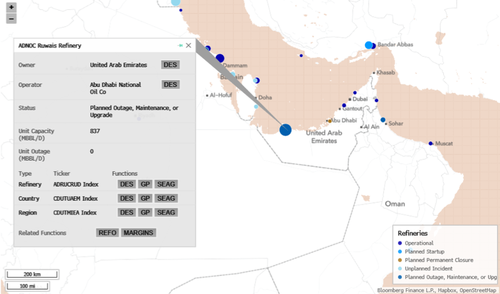
The suspension of operations at Borouge's major petrochemical facility in Abu Dhabi's Al Ruwais Industrial City marks another disruption in the Gulf's critical energy infrastructure, exposing systemic vulnerabilities in global supply chains for plastics and related materials. According to multiple reports, fires broke out at the plant after falling debris from intercepted aerial attacks, prompting immediate shutdown for damage assessment with no injuries reported. This incident occurs against the backdrop of heightened regional conflict, including Iranian aerial campaigns targeting Gulf neighbors. Borouge, a joint venture between ADNOC and Borealis, produces key polymers like polyethylene and polypropylene used extensively in packaging, medical devices, pipes, and consumer goods.
The event fits a broader pattern of strategic infrastructure targeting in ongoing energy-related conflicts. In recent weeks, disruptions around the Strait of Hormuz have already triggered force majeure declarations from major chemical producers. Companies including Oriental Union Chemical Corp., Hainan Yisheng Petrochemical, Indorama Ventures, and Saudi Basic Industries Corp. (SABIC) have cited supply issues with monoethylene glycol (MEG), purified terephthalic acid (PTA), and PET resin, leading to shipment suspensions, price hikes, and surcharges. Dow's CEO has warned that full normalization of Gulf petrochemical flows could take up to nine months even if chokepoints reopen.
These cascading effects highlight the interconnected fragility of the sector: China, the world's largest plastics producer and consumer, faces particular risk of industrial ripple effects. The Abu Dhabi incident adds physical damage risk to existing logistical and feedstock pressures, underscoring how targeted infrastructure sabotage in energy wars can rapidly transmit shocks through global manufacturing. Official statements from the Abu Dhabi Media Office and UAE defense responses confirm the defensive interceptions that inadvertently sparked the plant fires, while industry analysts note the potential for prolonged outages if critical components were affected. This convergence of kinetic conflict and economic leverage points to deliberate pressure on downstream industries reliant on stable petrochemical flows.
LIMINAL: This sabotage pattern will accelerate plastics shortages and price spikes, forcing manufacturers to seek costly alternatives and exposing over-reliance on Gulf production hubs in an era of hybrid energy warfare.
Sources (5)
- [1]Borouge Suspends Abu Dhabi Plant Operations After Multiple Fires(https://www.bloomberg.com/news/articles/2026-04-05/borouge-suspends-abu-dhabi-plant-operations-after-multiple-fires)
- [2]Fires at Borouge plant in Abu Dhabi after debris from air defence interceptions(https://gulfbusiness.com/en/2026/abu-dhabi/fires-at-borouge-plant-in-abu-dhabi-after-debris-from-air-defence-interceptions/)
- [3]Multiple fires at Abu Dhabi's Borouge Factory after interception; operations suspended(https://www.khaleejtimes.com/uae/multiple-fires-abu-dhabi-borouge-factory-interception)
- [4]Iran war latest: Abu Dhabi's Borouge petrochemicals plant suspends operations after 'multiple fires'(https://www.thenationalnews.com/news/mena/2026/04/05/live-iran-war-us-israel-kuwait-power/)
- [5]Fires break out at Borouge petrochemicals in Abu Dhabi, no injuries reported(https://news.cgtn.com/news/2026-04-05/news-1M5RazpcPQc/p.html)