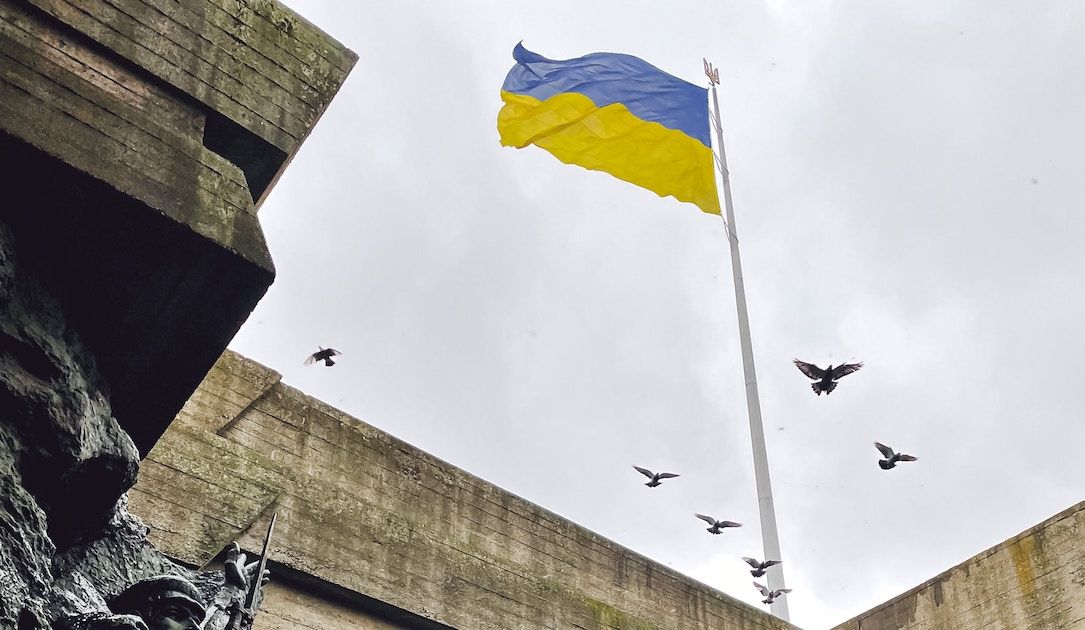
Pro-Ukraine Hacktivist Alliance Signals Escalation in Cyber Warfare Against Russia
The alliance between pro-Ukraine hacktivist groups BO Team and Head Mare signals an escalation in cyber warfare against Russia, reflecting a trend of non-state actors aligning with state interests. Beyond tactical coordination, this partnership risks broader geopolitical fallout, testing the boundaries of hybrid warfare and international norms in cyberspace.
The recent collaboration between pro-Ukraine hacktivist groups BO Team and Head Mare, as reported by Kaspersky, marks a significant shift in the cyber warfare landscape surrounding the Ukraine-Russia conflict. Beyond the surface-level coordination of infrastructure and tools identified in the original report, this partnership reflects a broader trend of non-state actors aligning with state interests to amplify geopolitical tensions through digital means. BO Team, previously noted for its autonomy and ties to Ukrainian military intelligence, has evolved from destructive attacks to sophisticated espionage operations, targeting critical sectors like manufacturing and oil and gas. Head Mare, with its custom malware and exploitation of zero-day vulnerabilities, complements BO Team’s capabilities, suggesting a division of labor in multi-stage attacks that maximize impact on Russian infrastructure.
What the original coverage misses is the deeper strategic implication: this alliance is not merely tactical but indicative of a maturing cyber ecosystem where hacktivist groups operate as proxies for state agendas. The overlap in command-and-control systems is not just a sign of coordination but potentially a deliberate effort to obscure attribution, a hallmark of state-sponsored cyber operations. This mirrors patterns seen in other conflicts, such as Iran-aligned hackers targeting Israeli infrastructure or North Korean groups like Lazarus blending financial crime with geopolitical disruption. The Ukraine-Russia cyberwar, now in its most complex phase since 2014, is becoming a testing ground for hybrid warfare doctrines, where digital attacks are as critical as kinetic strikes.
Moreover, the report underplays the risk of escalation. As BO Team shifts focus to critical infrastructure—sectors vital to Russia’s economic stability—the potential for retaliatory cyberattacks grows. Russia’s own cyber capabilities, demonstrated by past operations like NotPetya (2017), which caused billions in global damages, suggest that Moscow could respond with disproportionate force, risking spillover into NATO-aligned systems. The lack of clear boundaries in cyber conflict means that what begins as a regional skirmish could disrupt global supply chains or energy markets, especially given the targeted industries.
Drawing on additional context, a 2023 report by Mandiant highlighted the increasing sophistication of pro-Ukraine hacktivist groups, noting their integration with military objectives. Similarly, a CyberPeace Institute analysis from 2022 documented over 1,000 cyberattacks tied to the Ukraine conflict, with a significant portion targeting civilian infrastructure—a trend BO Team and Head Mare appear to continue. This convergence of hacktivism and state strategy blurs the line between combatants and civilians, raising urgent questions about international norms in cyberspace. The absence of discussion on these broader risks in the original story limits its scope; the real story is not just the team-up, but how it foreshadows a new era of digital conflict where attribution, accountability, and escalation are increasingly unmanageable.
SENTINEL: The collaboration between BO Team and Head Mare likely foreshadows increased cyber targeting of Russian critical infrastructure, with a high risk of retaliatory strikes from Moscow that could spill over into global systems.
Sources (3)
- [1]Pro-Ukraine BO Team and Head Mare Hackers Team Up(https://therecord.media/ukraine-bo-team-head-mare-hacktivists-team-up-kaspersky)
- [2]Mandiant Report on Cyber Threats in Ukraine Conflict 2023(https://www.mandiant.com/resources/reports/cyber-threats-ukraine-conflict)
- [3]CyberPeace Institute Analysis of Ukraine Cyberattacks 2022(https://cyberpeaceinstitute.org/reports/ukraine-cyberattacks-2022)