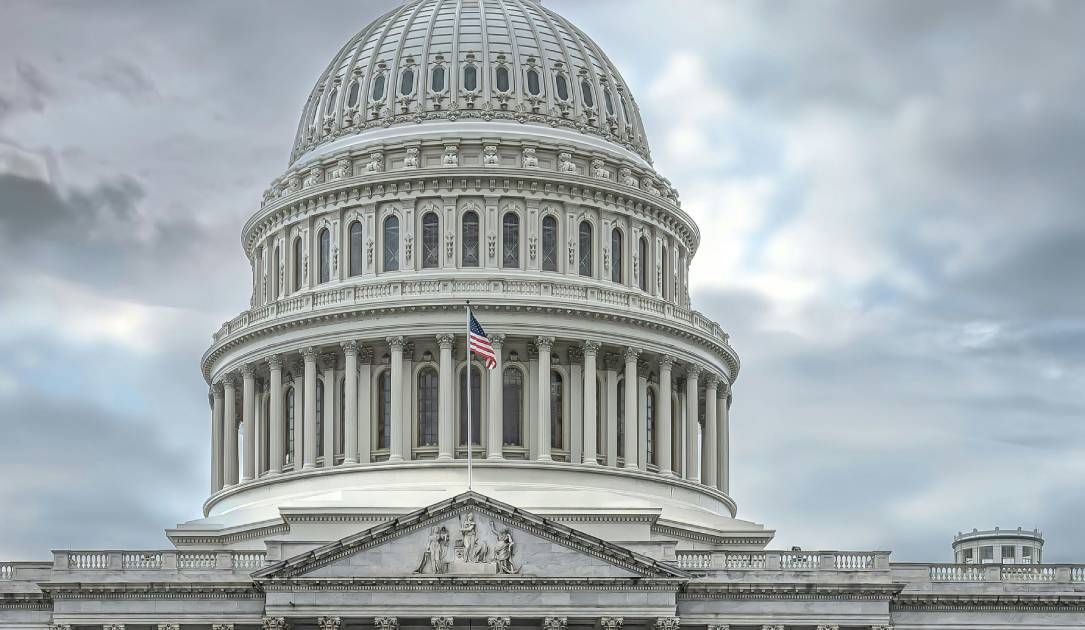
House Approves FISA Section 702 Amid Privacy Concerns: A Deeper Look at U.S. Surveillance Overreach
The House's approval of a three-year extension for FISA Section 702, despite privacy concerns and murky Senate prospects, underscores deep tensions in U.S. surveillance policy. Beyond superficial reforms, the bill fails to address documented abuses or the broader implications of government overreach in the digital age, while geopolitical stakes and public trust hang in the balance.
The U.S. House of Representatives' recent approval of a three-year extension for Section 702 of the Foreign Intelligence Surveillance Act (FISA), passing with a vote of 235-191, marks a critical juncture in the ongoing battle over national security and privacy rights. While the original coverage by The Record highlights the bill's passage and uncertain Senate fate, it misses the broader implications of this renewal in the context of systemic government overreach and evolving digital threats. Section 702, which permits warrantless surveillance of foreign nationals, often ensnares American citizens' communications in what critics call a 'backdoor' to domestic spying. This vote, following a failed attempt earlier this month, reveals not just legislative friction but a deeper ideological rift within Congress over the balance of security and civil liberties.
Beyond the surface-level reforms touted by House Intelligence Committee Chair Rick Crawford—such as enhanced oversight and penalties for privacy violations—the bill lacks substantive protections against the querying of Americans’ data without warrants, a concern echoed by Jake Laperruque of the Center for Democracy and Technology. What the original story underplays is how these 'empty-calorie' reforms fail to address documented abuses, such as the FBI’s repeated misuse of Section 702 data to search for information on U.S. citizens, as revealed in declassified FISA Court opinions from 2021. This pattern of overreach is not isolated; it mirrors historical precedents like the post-9/11 expansion of the Patriot Act, where temporary security measures became permanent fixtures with minimal accountability.
Moreover, the inclusion of a ban on the Federal Reserve issuing a digital currency—attached to win over ultra-right conservatives—signals a troubling trend of unrelated political agendas hijacking critical national security legislation. This maneuver, barely touched upon in the initial reporting, risks derailing Senate approval and reflects a growing politicization of surveillance policy at a time when digital threats, including cyberattacks from state actors like China and Russia, are escalating. The Senate’s potential counterproposal, as hinted in the source, could further delay reauthorization past the looming expiration deadline, creating operational gaps for intelligence agencies—a risk national security hawks have warned against but which privacy advocates see as a rare opportunity for reform.
Drawing from related events, the debate over Section 702 cannot be divorced from the broader context of government surveillance in the digital age. The 2013 Snowden leaks exposed the vast scope of programs like PRISM, which relied on FISA authorities to collect data from tech giants, often implicating U.S. citizens. More recently, a 2022 report by the Privacy and Civil Liberties Oversight Board highlighted ongoing compliance issues with Section 702, including inadequate minimization procedures to protect Americans’ data. These patterns suggest that without structural changes—beyond the cosmetic reforms in the current bill—the risk of abuse remains high, especially as technologies like AI and facial recognition amplify the state’s surveillance capabilities.
What’s missing from the original coverage is the geopolitical dimension: Section 702 is not just a domestic policy issue but a linchpin of U.S. intelligence-sharing with allies under frameworks like the Five Eyes alliance. Any lapse or restriction in its authority could strain partnerships at a time when coordinated responses to threats from adversaries are paramount. Yet, this must be weighed against the erosion of public trust in government institutions, already at historic lows according to Pew Research Center polls from 2023, driven partly by perceptions of unchecked surveillance. The House’s approval, therefore, is less a resolution than a flashpoint in a larger struggle over the future of privacy in an increasingly digitized world.
SENTINEL: The Senate is likely to push back on the House bill due to the controversial digital currency ban, risking a lapse in Section 702 authority. This could temporarily hinder U.S. intelligence operations but may force overdue privacy reforms if public pressure mounts.
Sources (3)
- [1]House Approves Spy Program on Second Attempt, Senate Fate Murky(https://therecord.media/house-approves-spy-program-on-second-attempt)
- [2]Privacy and Civil Liberties Oversight Board 2022 Report on Section 702(https://www.pclob.gov/newsroom)
- [3]Pew Research Center: Public Trust in Government 2023(https://www.pewresearch.org/politics/2023/09/19/public-trust-in-government-1958-2023/)