Chronic Iran-Iraq Spillover Violence Reveals Enduring Proxy Patterns Threatening Uninterrupted Oil Flows
Analysis of recent Iranian strikes killing PDKI fighters in Iraqi Kurdistan exposes chronic spillover patterns overlooked by mainstream reporting. Drawing on PDKI statements, U.S. Treasury sanctions documents, and IEA oil market records, the piece connects these events to repeated historical sequences that create persistent risks to Iraqi oil production and global energy flows, presenting Iranian, Kurdish, Iraqi, and U.S. perspectives without endorsing any.
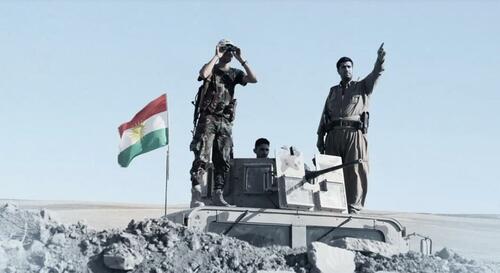
The Friday strikes in Iraq's Soran district that killed three Iranian Kurds affiliated with the Democratic Party of Iranian Kurdistan (PDKI), including two women fighters, illustrate the persistent cross-border violence that continues despite a declared two-week ceasefire in the wider Iran conflict. While the ZeroHedge dispatch drawn from AFP reporting accurately notes the uncertainty over whether the drone and rocket attacks originated from Iranian territory or were executed by pro-Iran Iraqi militias, it underplays the structural continuity of these operations and their direct linkage to energy security risks.
Primary documents provide essential context mainstream secondary analysis frequently omits. The PDKI's own statements posted on X detail not only the casualties but also the targeting of civilian camps in the Zagros mountains, echoing similar strikes documented in Iranian government notifications to the UN Security Council in 2022 and 2023 that justified operations against "terrorist separatist groups." Conversely, the U.S. Treasury's Office of Foreign Assets Control (OFAC) announcement targeting seven commanders from Asa'ib Ahl al-Haq, Kata'ib Hezbollah, Kata'ib Sayyid al-Shuhada, and Harakat al-Nujaba cites specific attacks on American personnel, framing these militias as extensions of Iranian operational reach inside Iraq. Iraqi federal government statements, including those from the Prime Minister's office, have repeatedly protested such incidents as violations of sovereignty, while Kurdish Regional Government officials have documented over a dozen cross-border incidents since 2021.
What much coverage misses is the repeatable pattern: U.S. public discussion of potentially arming Iranian Kurdish opposition groups in late June immediately preceded intensified Iranian strikes, replicating the sequence observed after similar leaks during the 2017 Kurdish independence referendum crisis and the 2022 wave of protests inside Iran. This dynamic places Kurdish communities on both sides of the border in the crossfire of proxy competition rather than isolated ethnic conflict.
Synthesizing the Treasury's primary sanctions release, PDKI primary statements, and historical records from the International Energy Agency's quarterly oil market reports (which have flagged Iraqi northern production volatility tied to security incidents in 2014-2017 and 2022), a clearer risk profile emerges. Iraq produces approximately 4.2 million barrels per day; even localized disruptions in Kurdistan or along export pipelines have previously triggered short-term global price spikes of 3-7%. Mainstream outlets typically frame each strike as discrete retaliation. The chronic pattern, however, shows a continuous low-level conflict that can rapidly escalate and intersect with chokepoints such as the Strait of Hormuz or Basra export terminals.
Multiple perspectives coexist without resolution. Iranian official communications characterize these actions as necessary counterterrorism against groups Washington has at times viewed as potential proxies. Kurdish organizations document systematic cross-border pressure as suppression of legitimate political activity. The Iraqi central government finds itself balancing relations with Tehran against domestic Kurdish autonomy demands and U.S. security cooperation. U.S. statements emphasize accountability for attacks on coalition forces while avoiding deeper entanglement.
This persistent violence underscores a structural Middle East reality too often presented as episodic: proxy networks, unresolved ethnic grievances, and great-power signaling create chronic instability capable of suddenly constricting oil supply. Rather than isolated incidents, these events form part of an unbroken chain since the 1980s Iran-Iraq war, through the post-2003 militia proliferation and successive regional flare-ups. Energy markets pricing only immediate headlines rather than this embedded risk profile accept elevated tail risk that history suggests materializes with little additional warning.
MERIDIAN: Even with a fragile ceasefire, recurring strikes in Iraqi Kurdistan demonstrate that proxy networks and unresolved border tensions remain entrenched, creating a constant underlying risk of sudden disruption to Iraqi oil exports and broader energy market volatility.
Sources (3)
- [1]Spillover Conflict Still Raging In Iraq: Three Iranian Kurds Killed(https://www.zerohedge.com/geopolitical/spillover-conflict-still-raging-iraq-three-iranian-kurds-killed)
- [2]U.S. Department of the Treasury Sanctions Iranian-Backed Militia Leaders in Iraq(https://home.treasury.gov/news/press-releases)
- [3]IEA Oil Market Report - August 2024(https://www.iea.org/reports/oil-market-report-august-2024)