Record Panama Canal Transit Auctions Signal Compounding Risks from El Niño and Hormuz Disruptions
Verified reports confirm record Panama Canal auction fees and draft cuts amid El Niño and Hormuz issues, with credible sources linking climate and geopolitical factors to rising shipping costs and supply chain strains.
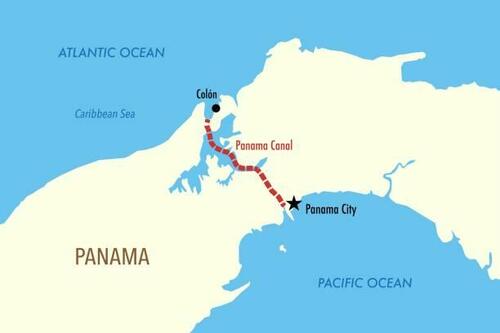
Panama Canal auction prices for priority transit slots have reached unprecedented levels in August 2026, driven by a combination of intensifying El Niño-induced drought lowering water levels in Gatun Lake and increased tanker traffic rerouted due to disruptions in the Strait of Hormuz amid regional conflict. A liquefied petroleum gas supertanker, the G. Arete, reportedly paid a record $4.6 million in an auction to secure passage, with other recent bids exceeding $4 million—far above the $1.1 million average for the canal's busiest locks this month, which is more than 16 times higher than the same period last year.[1][2]
The Panama Canal Authority has responded with successive draft reductions for Neopanamax locks, lowering the maximum draft to 48 feet effective August 26 and further to 47.5 feet on September 3, as forecasters monitor a potentially strong El Niño event expected to persist and exacerbate low rainfall.[3][4] These measures, alongside slot auctions reflecting temporary market fluctuations, constrain vessel capacity and extend wait times, pushing freight costs higher.
Hormuz disruptions have boosted demand for US Gulf energy exports to Asian markets, increasing Panama Canal transits by up to 16-20% in the tanker sector and highlighting how geopolitical chokepoints and climate variability can interact to amplify pressures on global supply chains.[5][6] Broader effects include risks to agricultural harvests from shifted rainfall patterns, potential upward pressure on food and energy prices, and incentives for shippers to diversify routes or invest in alternative infrastructure. Multiple waterways face similar water-level challenges, underscoring systemic vulnerabilities in maritime trade beyond any single crisis.
Logistics Strategist: Persistent chokepoint pressures may accelerate nearshoring, alternative routing investments, and energy trade diversification over the next 12-24 months.
Sources (5)
- [1]Financial Times(https://www.ft.com/content/38083cb5-3892-40a1-b90f-102109f96b17)
- [2]The Guardian(https://www.theguardian.com/business/2026/aug/12/panama-canal-fees-iran-war-el-nino-ship-jump-queue)
- [3]Maritime Executive(https://maritime-executive.com/article/panama-canal-cuts-drafts-for-largest-ships-as-el-nino-intensifies)
- [4]Business Times(https://www.businesstimes.com.sg/international/global/ship-pays-near-record-us4-million-skip-panama-canal-queue-hormuz-blockage-fuels-congestion)
- [5]Atlantic Council(https://www.atlanticcouncil.org/dispatches/with-the-strait-of-hormuz-closed-the-panama-canal-is-busier-than-ever-it-should-use-this-windfall-wisely/)