2026 Midterms Loom Over Markets: Jobs Data, Earnings, and Policy Shifts Signal Volatility for Stocks and Investors
Corroborated analysis of the Nov 2026 week shows midterms, jobs data, and earnings as pivotal for markets, with deeper links to Iran energy dynamics, AI regulation risks, and lame-duck fiscal moves that could sway investor portfolios amid cooling labor and sticky inflation.
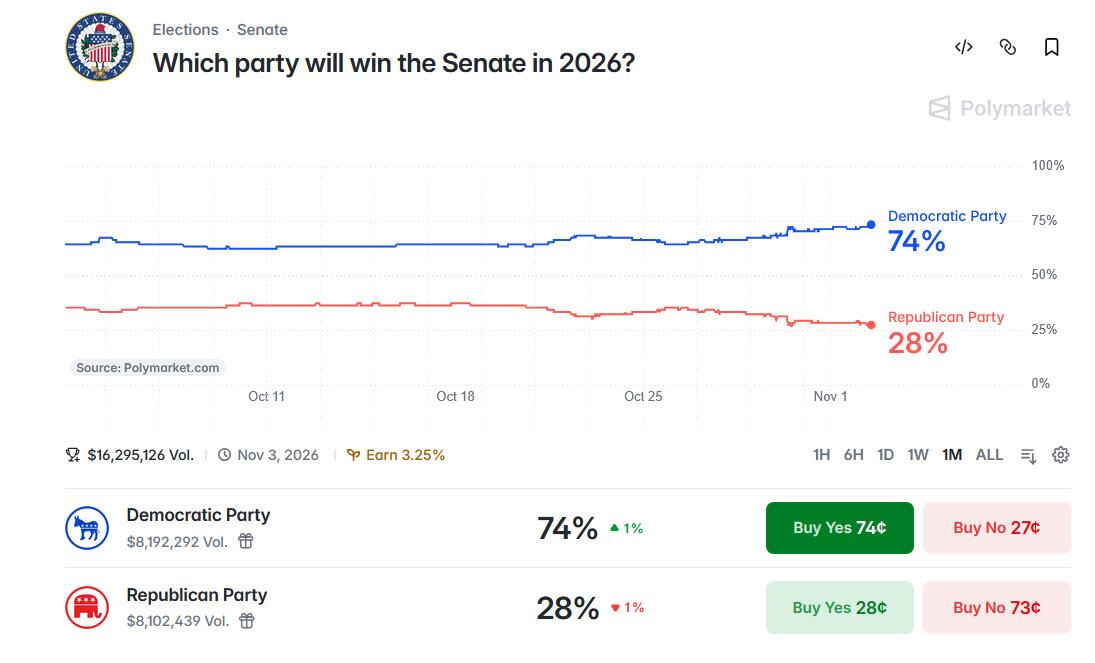
As November 2, 2026, marks the eve of U.S. midterm elections, markets brace for outcomes that could reshape fiscal policy, regulatory oversight, and investor sentiment for the remainder of President Donald Trump's term. Polling and prediction markets indicate Democrats are favored to capture the House, with the Senate remaining competitive—echoing historical patterns where midterm shifts influence year-end performance modestly but introduce uncertainty around AI regulation, defense spending, and debt ceiling talks.
The week features high-stakes data releases, including Friday's October jobs report (expected +65k payrolls, unemployment steady at 4.2%), ADP private employment on Wednesday, and ISM manufacturing/services surveys. These arrive against a backdrop of resilient yet cooling labor markets, with prior months revised lower, and persistent inflation pressures tied to energy spikes from the U.S.-Israel actions in Iran earlier this year. Central bank decisions in Australia, Sweden, the UK, and Norway add global layers, while earnings from Apple, Palantir, AMD, and ARM highlight AI spending scrutiny.
Beyond immediate volatility, the lame-duck session post-election could drive reconciliation bills for defense and debt limit resolutions, potentially boosting related sectors. Connections often overlooked include how post-midterm diplomacy on Iran might ease or exacerbate energy price volatility, indirectly affecting consumer spending and Fed rate paths—Chair Warsh has signaled further tightening if data supports. University of Michigan sentiment surveys underscore consumer disconnects, where strong GDP (recent quarters ~3.4%) contrasts with sour moods over tariffs and costs, a dynamic that could amplify market reactions to any fiscal gridlock.
For portfolios, a divided Congress risks heightened oversight on AI and tech, while Republican-leaning outcomes might accelerate defense and tax measures. Investors should monitor JOLTS and productivity data for labor signals that could reinforce or challenge rate hike expectations into December.
Market Analyst: Midterm-driven policy gridlock or shifts could temper AI stock gains while boosting defense amid Iran tensions, with jobs data likely anchoring Fed expectations and creating selective opportunities in energy and fiscal-sensitive sectors.
Sources (5)
- [1]What the US midterms could mean for markets, AI and the debt ceiling(https://www.reuters.com/business/finance/investors-gaming-out-congress-control-spending-ai-outlook-2026-11-02/)
- [2]US voters in a sour economic mood heading into midterm elections(https://www.reuters.com/legal/transactional/us-voters-sour-economic-mood-heading-into-midterm-elections-2026-11-02/)
- [3]U.S. Midterms and Jobs Data in Focus as Fed's December Path Looms(https://en.sedaily.com/society/2026/11/02/us-midterms-and-jobs-data-in-focus-as-feds-december-path)
- [4]Midterms meet earnings(https://www.reuters.com/business/take-five/global-markets-themes-2026-10-30/)
- [5]Wall St Week Ahead Midterm US elections, earnings, jobs data loom for AI-wary stock market(https://www.reuters.com/legal/legalindustry/wall-st-week-ahead-midterm-elections-earnings-jobs-data-loom-ai-wary-market-2026-10-30/)