Escalating Israel-Hezbollah Clashes Signal Imminent Risk of Regional War Drawing in Iran and US
Hezbollah's guerrilla escalation in Lebanon, backed by Iranian arms and strategy, risks miscalculation leading to direct Iranian and US involvement in a wider Middle East war, with the original reporting missing key proxy coordination and historical parallels.
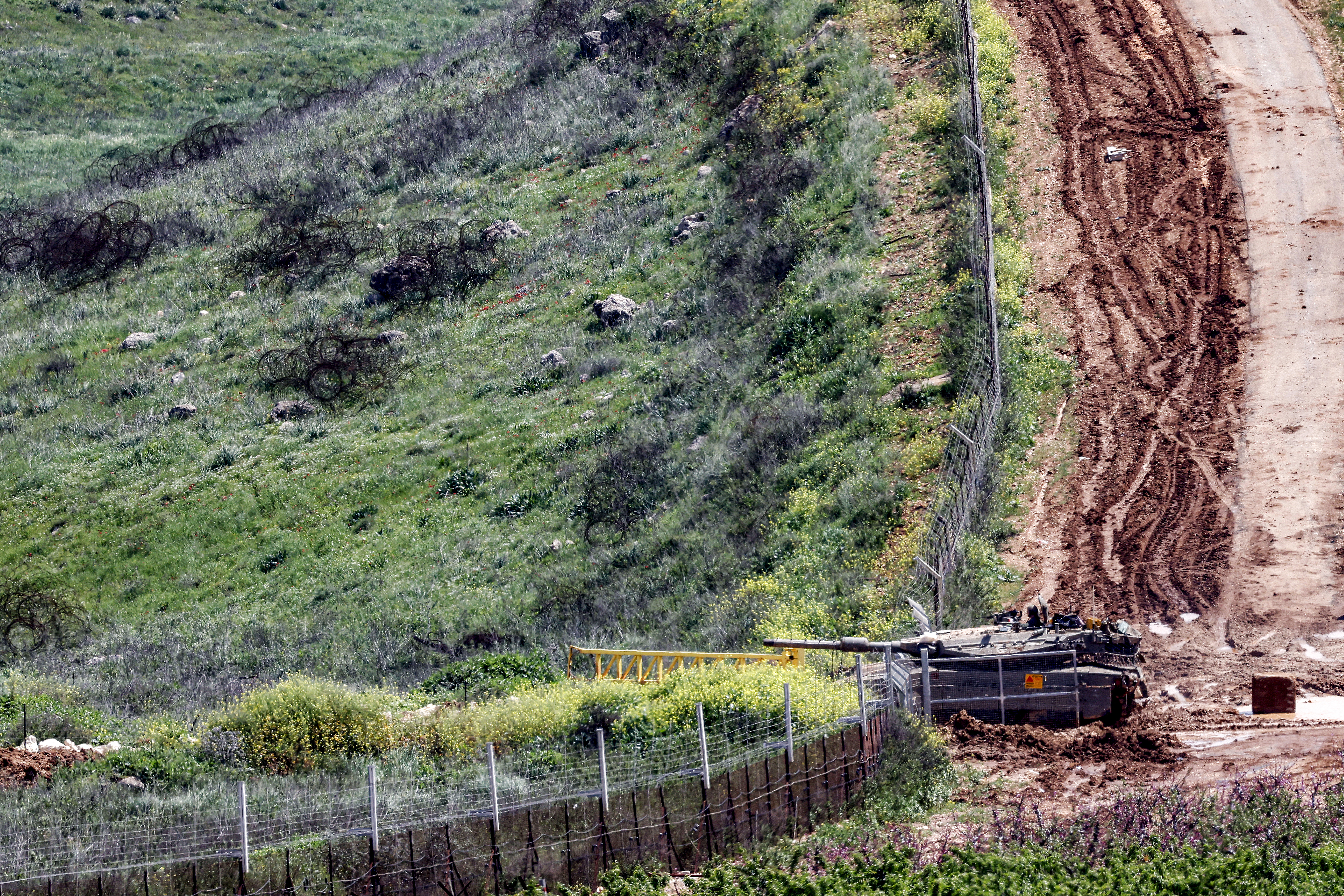
The Defense News report from March 2026 describes a rapidly widening combat zone in southern Lebanon, where Hezbollah has shifted from static defensive positions to aggressive hit-and-run operations, leveraging familiar hilly terrain to strike Israeli forces before melting away. While accurate on tactics, the coverage understates the strategic implications and misses critical connections to Iran's broader proxy network and the risk of direct superpower involvement. This is not merely a border skirmish but a dangerous escalation that could transform the ongoing Middle East conflict into a multi-front regional war.
Hezbollah's tactics mirror patterns from the 2006 Lebanon War but with significantly upgraded capabilities. Synthesizing data from a 2024 CSIS report on 'Hezbollah's Rocket and Missile Arsenal,' which estimates the group possesses over 150,000 projectiles including precision-guided munitions supplied by Iran, reveals these operations are probing exercises designed to test Israeli defenses while conserving strength for a larger confrontation. A concurrent analysis from the International Crisis Group (2025 briefing on 'Lebanon at the Brink') highlights how Hezbollah's actions are deliberately synchronized with Hamas operations in Gaza, functioning as a second front to stretch Israeli resources across multiple theaters.
What the original source misses is the integration of these clashes within Iran's 'Axis of Resistance' doctrine. Hezbollah is not operating autonomously; recent intelligence patterns show increased IRGC-Quds Force coordination, including resupply via Syrian routes and potential activation of Iraqi and Yemeni militias to target US assets. The original piece fails to address how Israeli strikes deeper into Lebanon could trigger direct Iranian retaliation, either through ballistic missiles or cyber operations against critical infrastructure. This escalation dynamic echoes the 1973 war but carries modern risks of rapid horizontal escalation involving US bases in Iraq, Syria, and the Gulf.
The patterns are clear: each Israeli incursion into Lebanon expands the battlespace, increasing the probability of miscalculation. Should Hezbollah inflict significant casualties or damage to Israeli cities, domestic pressure in Israel for a full ground invasion will intensify, almost certainly pulling Washington into a support role to resupply and provide intelligence. Tehran has repeatedly signaled that an existential threat to Hezbollah would necessitate direct intervention. The result could be a conflict spanning Lebanon, Israel, Syria, and the Persian Gulf, disrupting global energy markets and triggering refugee flows on a scale dwarfing previous crises.
SENTINEL: Ordinary civilians across Lebanon and northern Israel face mass displacement, infrastructure destruction, and loss of life as tit-for-tat strikes risk spiraling into a multi-nation war; global energy prices and supply chains will likely suffer severe disruption if Iran and the US are drawn directly into the fighting.
Sources (3)
- [1]Combat zone widens in Lebanon as Israel and Hezbollah escalate attacks(https://www.defensenews.com/global/mideast-africa/2026/03/27/combat-zone-widens-in-lebanon-as-israel-and-hezbollah-escalate-attacks/)
- [2]Hezbollah’s Rocket and Missile Arsenal(https://www.csis.org/analysis/hezbollahs-rocket-and-missile-arsenal)
- [3]Lebanon at the Brink: Escalation Risks(https://www.crisisgroup.org/middle-east-north-africa/lebanon-brink-escalation)