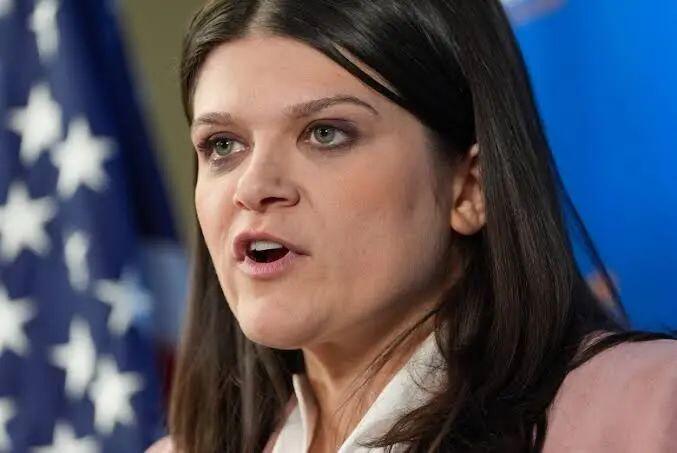
Haley Stevens' Defection Exposes Democratic Party Fractures and Echoes of Pathologizing Dissent
Stevens' endorsement flip amid Israel disputes led to mental health insinuations and party ostracism, amplifying polarization and echoing tactics of labeling dissenters unstable, as seen in multiple mainstream reports.
Rep. Haley Stevens' surprise endorsement of Republican Mike Rogers over Democratic Senate nominee Abdul El-Sayed in Michigan's 2026 race triggered swift party backlash, including suggestions of mental instability from figures like George Conway, Bill Kristol, and Mehdi Hasan, alongside concerns from Rep. Debbie Dingell.[1][2] Multiple outlets documented the sequence: Stevens, who lost the August primary narrowly to El-Sayed, initially endorsed him but reversed after disputes over Israel policy, a pro-El-Sayed PAC ad linking U.S. aid to Israel with grocery prices (viewed by Stevens as antisemitic), and El-Sayed's refusal to fully denounce it or clarify threats from Israel versus Iran.[3][4]
This episode illustrates deepening polarization within the Democratic Party, where deviation on foreign policy—particularly Israel—prompts not just policy critique but personal attacks framing dissent as irrational or traitorous. Jonathan Turley's analysis in the New York Post draws parallels to Soviet tactics of labeling political opponents as mentally ill ('sluggish schizophrenia' under Khrushchev), noting violations of the Goldwater Rule by psychiatrists and commentators.[5] Similar rhetoric appeared in coverage describing Stevens' Anderson Cooper interview as a 'mental breakdown' or 'unraveling,' with staff resignations, expulsion from the state party, and sexist undertones (e.g., influence of her fiancé).[6][7]
Broader context reveals systemic issues: post-2024 shifts amplified intra-party tensions on Israel, with Stevens' pro-Israel stance clashing against progressive elements. Connections missed in initial reports include how such pathologization discourages cross-aisle votes or principle-driven stands, mirroring historical regimes' use of psychiatric labels to enforce conformity rather than engage arguments. Credible reporting from Vox, CNN, WaPo, and National Review confirms the events without endorsing the Soviet analogy, highlighting instead the human cost of rage politics.[8]
Sources (5)
- [1]Haley Stevens’s feud with Abdul El-Sayed, explained(https://www.vox.com/politics/508585/haley-stevens-abdul-el-sayed-feud-explained)
- [2]How an attempt at Democratic unity exploded with Haley Stevens’ Senate endorsement flip(https://www.cnn.com/2026/11/01/politics/haley-stevens-abdul-el-sayed-mike-rogers-michigan-primary-what-happened)
- [3]Left-Wing Pundits Insist Haley Stevens Must Be Having a 'Breakdown'(https://www.nationalreview.com/news/shocked-by-principles-in-politics-left-wing-pundits-insist-haley-stevens-must-be-having-a-breakdown/)
- [4]A Dangerous Woman: Democrats Adopt Soviet Rhetoric...(https://jonathanturley.org/2026/11/05/the-mind-of-haley-stevens-democrats-adopt-soviet-rhetoric-to-political-dissenter-as-mentally-ill/)
- [5]What happened before Haley Stevens endorsed Mike Rogers over Abdul El-Sayed(https://www.washingtonpost.com/politics/2026/11/01/what-happened-before-haley-stevens-endorsed-mike-rogers-over-abdul-el-sayed/)