Saudi Air Defenses Under Scrutiny as Houthi Strikes Hit Riyadh Airport Amid Yemen Escalation
Corroborated reports detail Houthi attacks on Riyadh airport in October 2026 penetrating Saudi air defenses despite advanced Patriot and THAAD systems, due to terrain, saturation tactics, and escalation in Yemen conflict. Experts attribute vulnerabilities to geography and attack volume rather than solely new capabilities.
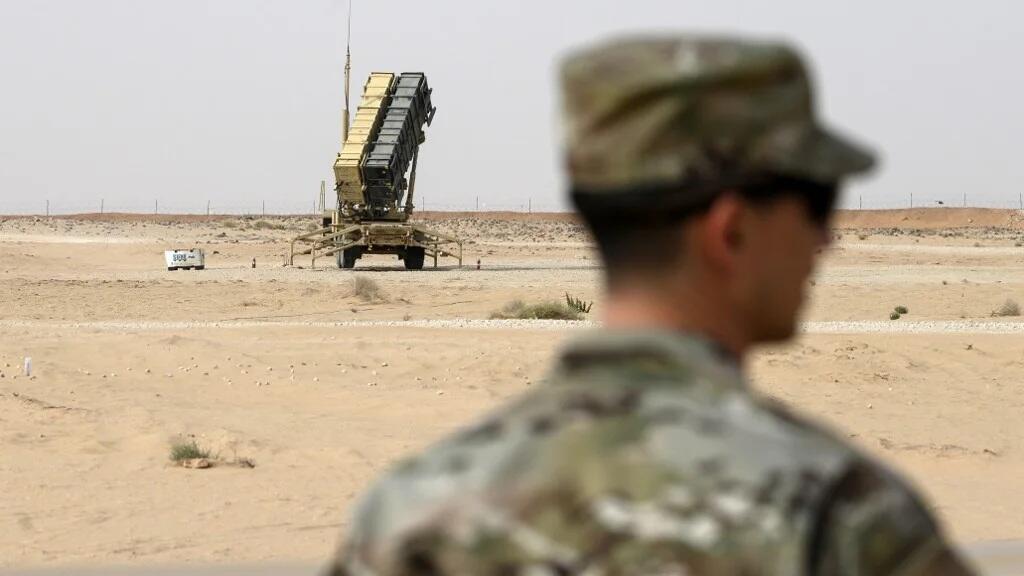
In early October 2026, Yemen's Iran-backed Houthis launched a series of missile and drone attacks on Saudi Arabia's King Khalid International Airport in Riyadh, killing at least 12-13 people and wounding over 300 in the deadliest strike on the kingdom in more than a decade. Subsequent attacks the following days added to the toll, prompting Saudi vows of retaliation and strikes on Yemeni targets. Mainstream reporting from Reuters, BBC, and Al Jazeera confirms the timeline and casualties, with victims including Saudi nationals and foreign workers from Bangladesh, the US, Jordan, and others. Saudi Arabia fields advanced US-supplied systems including Patriot PAC-3 and THAAD batteries, alongside an air force of F-15s and Typhoons. Yet the attacks penetrated defenses, exposing challenges in covering the kingdom's vast desert terrain and responding to saturation tactics—drones used to overwhelm radars before cruise and ballistic missiles follow, as noted in analyses from AP News and the Atlantic Council. Experts highlight geography as a factor: Nicholas Heras of the Middle East Policy Council and New Lines Institute pointed to the difficulty of defending remote areas and the Houthis' target-rich environment of oil infrastructure. Federico Borsari of CEPA described it as deliberate escalation rather than entirely new tech, building on capabilities refined over years with Iranian assistance. Freddy Khoueiry of RANE noted uncertainties around specific new systems but emphasized repeated, coordinated strikes. Additional context from Asia Times and India Today underscores interceptor shortages and low-altitude threats evading detection. Saudi investigations are probing warning failures and interceptor performance, with some reports of partial interceptions amid broader barrages. These events mark a shift from border skirmishes to direct hits on the capital, testing Saudi deterrence and highlighting limits of even sophisticated layered defenses against asymmetric threats.
Analyst: Sustained Houthi pressure could force Saudi Arabia to accelerate interceptor resupply deals, reassess Yemen engagement, and expose broader vulnerabilities in Gulf air defense architectures to drone-missile swarms.
Sources (7)
- [1]Saudi Arabia's Riyadh airport hit by second Houthi strike in two days(https://www.bbc.co.uk/news/articles/cr93znyk44e1o)
- [2]One dead in new attack on Saudi airport, a day after Houthi strike kills 13(https://www.reuters.com/world/middle-east/yemens-houthis-renew-warning-over-saudi-airports-after-deadly-riyadh-attack-2026-10-11/)
- [3]Houthi strike on Saudi airport kills 12, worst attack on kingdom in a decade(https://www.reuters.com/world/middle-east/loud-blast-heard-riyadh-airport-airlines-cancel-more-flights-2026-10-10/)
- [4]Why are the Houthis attacking Saudi airports and how are the missiles getting through?(https://www.theguardian.com/world/2026/oct/12/why-are-the-houthis-attacking-saudi-airports-riyadh-yemen)
- [5]Saudi Arabia says 12 killed, 300 wounded in Houthi attack on Riyadh airport(https://www.aljazeera.com/news/2026/10/10/attack-on-airport-in-saudi-capital-riyadh-leaves-several-injured)
- [6]What to know about the Houthis latest attacks on Saudi Arabia(https://apnews.com/article/saudi-houthi-yemen-iran-d5c0345968e682ac551e9cb99ecfeec6)
- [7]Why have Saudi air defences failed to intercept Houthi missiles?(https://en.hathalyoum.net/articles/301661)