Hormuz Blockade Exposes Food System Fragility: Fertilizer Crisis, Climate Shocks, and the Specter of Famine
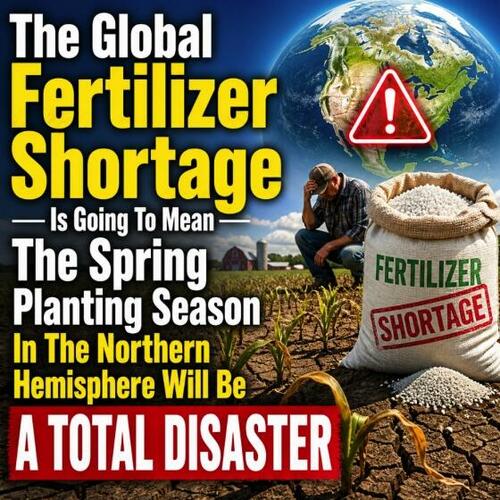
The Strait of Hormuz closure due to Iran conflict has triggered a verifiable global fertilizer crisis, intersecting with climate factors to threaten 2026 harvests, particularly in Africa and Asia. This exposes long-term food supply chain fragility with risks of famine and unrest, extending beyond energy headlines.
The ongoing disruption of the Strait of Hormuz amid the 2026 Iran conflict has halted roughly one-third of global seaborne nitrogen fertilizer trade, creating a narrow but decisive window for irreversible damage to Northern Hemisphere planting and broader agricultural output. According to UN officials, this single chokepoint—responsible for enormous volumes of urea and ammonia derived from regional natural gas—has effectively stalled supplies critical for upcoming harvests, with second-order effects rippling through global supply chains already strained by prior shocks. Reuters reports that UN trade experts warn of missed agricultural timelines in developing nations, where fertilizer availability directly determines yields for the next cycle. The Guardian and BBC have quoted Yara International CEO Svein Tore Holsether warning of "dramatic consequences" for Africa: a de facto global auction for scarce fertilizer that prices out the poorest nations, potentially reducing crop yields and threatening billions of meals weekly in already under-fertilized sub-Saharan regions.
This is not merely a geopolitical event but a revelation of deeper structural vulnerabilities. The Gulf's dominance in nitrogen fertilizers—tied inextricably to fossil fuel infrastructure—mirrors the fragility exposed during the 2022 Ukraine crisis, yet compounded now by climate patterns. Carnegie Endowment analysis highlights how the blockade exacerbates existing input shortages, while El Niño effects noted in multiple reports further tighten rice and grain prospects across Asia and Africa. International Grains Council projections already forecast global grains output falling by approximately 53 million tons in the 2026-27 season, a shortfall exceeding typical Ukrainian exports and arriving against record acute hunger levels documented by the UN prior to this escalation.
Mainstream coverage has focused heavily on energy prices, yet underreports the slow-motion food system collapse: industrial agriculture's dependence on synthetic inputs creates a hidden leverage point where conflict, climate variability, and supply concentration intersect. Historical parallels suggest rising food costs correlate with social unrest—think Arab Spring triggers—particularly as 1.6 billion Africans face spiking prices. NPR and Democracy Now coverage connect these dots to the Global South, where debt, climate impacts, and now fertilizer scarcity converge into a polycrisis. The window for spring application is closing; once missed, no catch-up planting restores lost yields. This under-discussed nexus signals not just higher grocery bills but potential famines and destabilization that could redefine global security by late 2026 and beyond.
LIMINAL: Intersecting Hormuz blockade, fossil-dependent fertilizer systems, and climate amplification points to cascading harvest failures by fall 2026, likely sparking price spikes, regional famines, and social unrest first in Africa and South Asia before rippling into broader global instability.
Sources (6)
- [1]Fertilizer isn't getting through the Strait of Hormuz, which could lead to a global food crisis(https://carnegieendowment.org/emissary/2026/03/fertilizer-iran-hormuz-food-crisis)
- [2]Strait of Hormuz: With hunger looming, life-saving fertilizer shipments are stalled(https://news.un.org/en/interview/2026/04/1167351)
- [3]Iran war may cause food shortages in Africa, world’s largest fertiliser firm says(https://www.theguardian.com/business/2026/may/01/iran-war-may-cause-food-shortages-in-africa-world-largest-fertiliser-firm-yara-says)
- [4]Fertiliser shortages due to Iran war are a key worry for developing world, UN agency says(https://www.reuters.com/world/fertiliser-shortages-due-iran-war-are-key-worry-developing-world-un-agency-says-2026-04-14/)
- [5]Billions of meals at risk due to Iran war, says fertiliser boss(https://www.bbc.com/news/articles/cpwp50v4ye7o)
- [6]IGC: Global grain output projected to fall in 2026-27(https://www.world-grain.com/articles/22673-igc-global-grain-output-projected-to-fall-in-2026-27)